
Removing an unwanted tattoo can feel like a fresh start, but the treatment itself often raises concerns. You may wonder how painful laser removal feels, whether certain body areas are more sensitive, and what happens afterward. So, does tattoo removal hurt? Yes, laser tattoo removal usually causes discomfort because concentrated light energy targets tattoo pigment beneath the skin. However, the intensity varies depending on the tattoo, treatment area, equipment, and individual pain tolerance.
Many people describe the sensation as repeated snapping against the skin, similar to a rubber band. Others experience sharp stinging or brief bursts of heat. Fortunately, treatment sessions are often shorter than the original tattoo appointment. Understanding what to expect can help you prepare for removal and make informed decisions about managing discomfort.
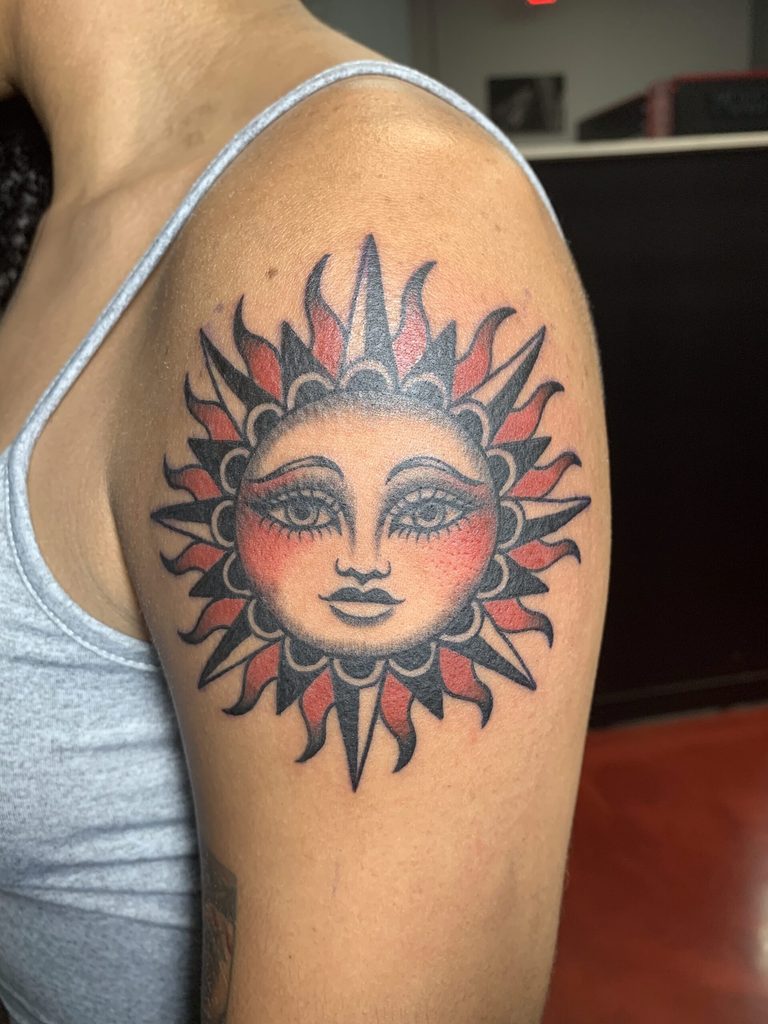
What Laser Tattoo Removal Feels Like
Laser tattoo removal uses concentrated pulses of light to break tattoo pigment into smaller particles. The body’s immune system gradually clears some of these particles over time. Each laser pulse can create a sharp snapping or stinging sensation. Some people also notice warmth, tingling, or a prickling feeling across the treated area. The sensation occurs repeatedly as the provider moves across the tattoo.
When asking does tattoo removal hurt, remember that discomfort can change during treatment. The first few pulses may feel surprising, while repeated exposure can make the area increasingly sensitive. Your provider may adjust the treatment approach according to the tattoo’s characteristics and your skin’s response. Pain alone does not indicate whether the treatment is working effectively.
Factors That Affect Tattoo Removal Pain
Several factors influence the discomfort associated with tattoo removal. These include the tattoo’s location, pigment density, size, treatment method, and individual sensitivity. Dark, heavily saturated tattoos may require multiple sessions, although darker pigment does not automatically mean greater pain during every treatment. Skin condition and previous reactions can also affect the experience.
Does tattoo removal hurt more for someone with sensitive skin? It can, but sensitivity alone cannot predict the entire experience. Anxiety, fatigue, and personal pain tolerance may influence how discomfort feels. A qualified provider can assess the tattoo and explain what to expect based on its location and characteristics.
Laser Tattoo Removal Compared With Getting Tattooed
People often compare tattoo removal pain with the discomfort of receiving a tattoo. Tattooing involves repeated needle penetration, while laser removal delivers concentrated light pulses into the skin. These procedures create different sensations. Tattooing may feel like continuous scratching, whereas laser treatment often produces sharper, intermittent snapping.
Does tattoo removal hurt more than getting a tattoo? Some people find laser removal more intense, while others consider it easier because appointments can be relatively brief. The comparison depends on treatment location, tattoo size, and personal sensitivity. Neither procedure feels identical for everyone, so individual experiences should not serve as guarantees.
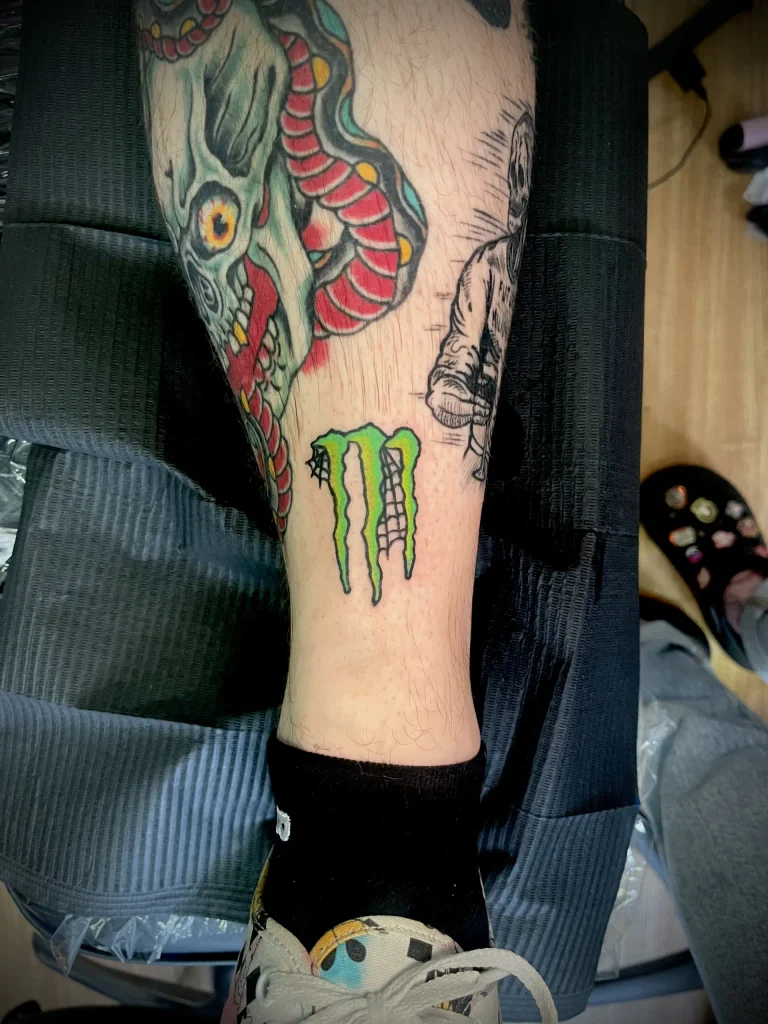
More Sensitive Areas for Tattoo Removal
Body placement can influence removal discomfort. Areas near prominent bones or sensitive tissue may feel more uncomfortable during treatment. Common examples include the ribs, sternum, ankles, feet, fingers, and portions of the spine. These locations often provide less cushioning than areas with thicker muscle or fatty tissue.
However, pain rankings remain subjective. Some individuals tolerate treatment on the ribs without significant difficulty, while others find forearm removal uncomfortable. When discussing does tattoo removal hurt in a particular location, your provider should consider both the tattoo’s position and your medical history. Treatment settings must prioritize skin safety rather than simply minimizing discomfort.
Does Tattoo Size Influence Removal Discomfort?
Larger tattoos generally require treatment across a greater skin area. This can extend appointment length and increase overall discomfort. A small symbol may take only a short period to treat, while a large sleeve or back tattoo may require staged treatment. Providers sometimes divide extensive artwork into sections to manage treatment and recovery.
The tattoo’s dimensions do not necessarily determine how painful each individual laser pulse feels. A small tattoo in a sensitive location may feel more intense than a larger design elsewhere. Understanding does tattoo removal hurt involves considering both the strength of the sensation and how long it continues.
How Tattoo Colors Affect Laser Treatment
Different tattoo pigments absorb laser wavelengths differently. Black ink generally responds well to certain removal lasers because it absorbs a broad range of light wavelengths. Other colors may require different laser settings or equipment. Some pigments are difficult to remove completely, and certain cosmetic tattoo pigments can darken after laser exposure.
Color alone does not provide a reliable pain ranking. Treatment settings, pigment depth, skin characteristics, and laser technology all influence the experience. Rather than assuming one ink color will be painless, discuss the specific tattoo with a qualified provider. They can explain the expected treatment approach and possible limitations.
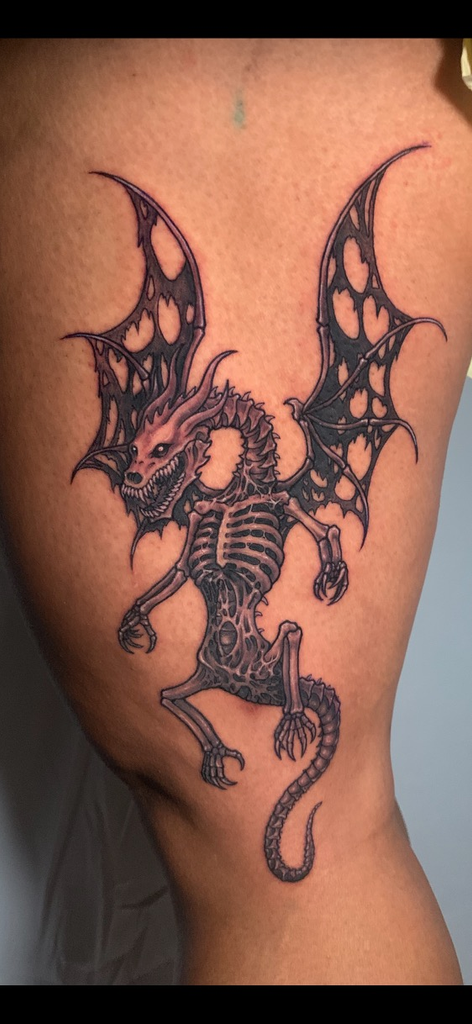
Pain Relief Options During Laser Tattoo Removal
Qualified providers may offer methods to reduce discomfort during treatment. These can include controlled cooling systems, cold air devices, or appropriate local anesthesia. The available options depend on the treatment facility, equipment, and individual medical considerations. Cooling may help protect the skin and make laser pulses easier to tolerate.
If you are concerned about whether tattoo removal hurts, ask about pain management before scheduling treatment. Do not apply numbing creams without professional guidance. Some topical anesthetic products contain potentially dangerous concentrations of active ingredients, particularly when applied over large areas or covered with plastic wrap.
Preparing for a Tattoo Removal Appointment
Preparation begins with selecting a qualified medical professional experienced in laser tattoo removal. Discuss your medical history, medications, skin conditions, and previous tattoo reactions. The provider should examine the tattoo and explain the likely treatment process. Avoid excessive sun exposure before treatment, and follow any preparation instructions supplied by the clinic.
Arrive rested and maintain your usual hydration. Wear comfortable clothing that allows access to the treatment area. Avoid experimenting with harsh exfoliants, unapproved numbing products, or home removal methods beforehand. These practices can irritate the skin and potentially complicate treatment.
Skin Sensations Immediately After Removal
Discomfort may continue after the laser session ends. The treated skin can feel warm, tender, or similar to a mild sunburn. Temporary redness and swelling are common. Some individuals develop blistering or crusting during recovery. These reactions require appropriate care because damaged skin can become infected or develop unwanted pigmentation changes.
When considering does tattoo removal hurt afterward, remember that recovery experiences vary. Discomfort should generally improve as the area heals. Follow your provider’s instructions regarding cooling, dressings, cleansing, and activity restrictions. Avoid picking at blisters or scabs, since doing so may increase the risk of scarring.
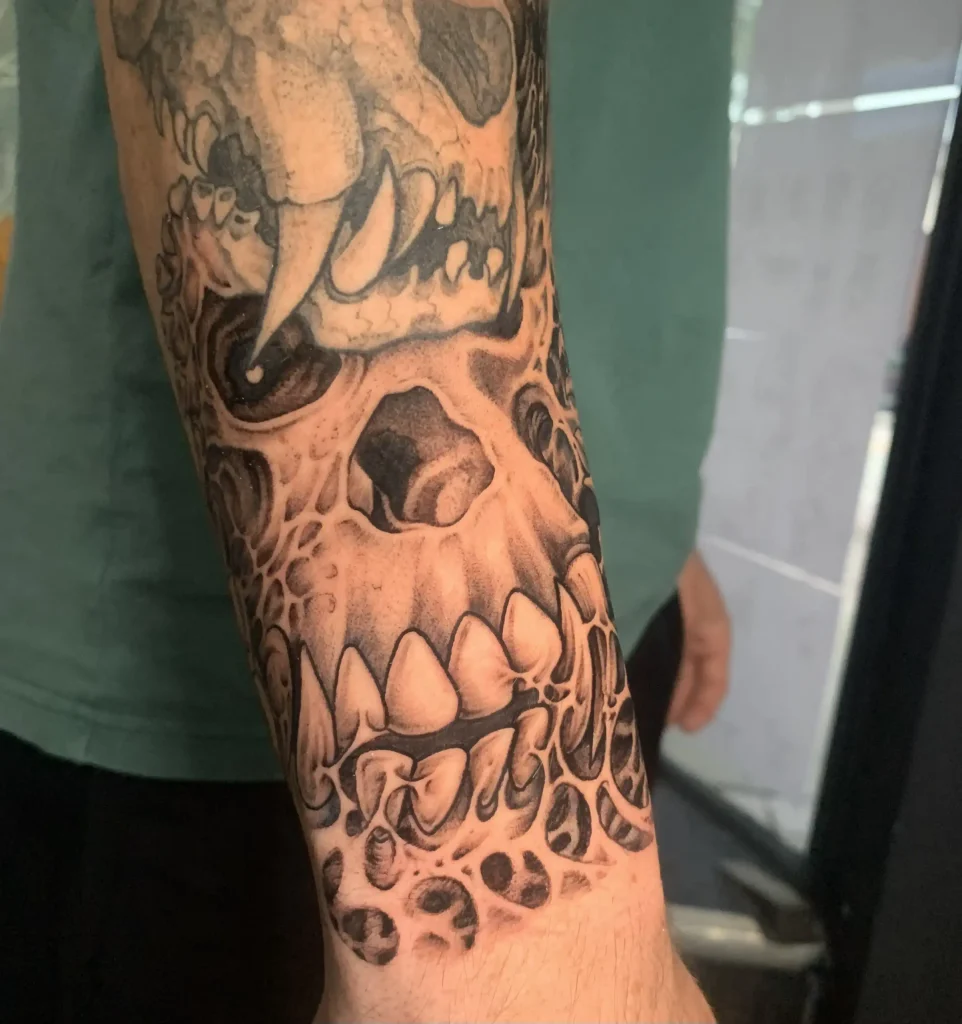
How Long Tattoo Removal Pain Lasts
The sharp sensation associated with laser pulses usually stops when treatment ends. However, tenderness and irritation may persist for several days, depending on the skin’s response. Blistering or more extensive reactions can require additional healing time. Treatment sessions are typically spaced apart to allow skin recovery and gradual pigment clearance.
Does tattoo removal hurt throughout the entire healing period? Not necessarily. Many people experience decreasing tenderness after the initial treatment. However, worsening pain, spreading redness, fever, or unusual discharge can indicate complications. Contact your treatment provider or seek medical care if concerning symptoms develop.
Potential Risks Beyond Temporary Pain
Pain is only one consideration when deciding whether to remove a tattoo. Laser treatment can cause temporary or lasting changes in skin pigmentation. Other possible complications include infection, scarring, blistering, and incomplete pigment removal. Results vary according to tattoo characteristics, skin type, treatment equipment, and individual healing responses.
The U.S. Food and Drug Administration’s laser safety information explains how laser hazard classifications relate to potential eye and skin injuries. This highlights the importance of trained professionals, appropriate protective equipment, and properly maintained devices. Understanding general laser safety can help you make informed decisions before undergoing treatment.
How Many Tattoo Removal Sessions Are Needed?
Complete tattoo removal often requires multiple treatment sessions. The number depends on pigment colors, ink density, tattoo age, skin characteristics, and treatment response. Professional tattoos may contain substantial pigment at varying depths, which can make removal more complicated. Some tattoos fade considerably but remain partially visible despite repeated treatment.
Each appointment may involve some discomfort, and treatment sessions require adequate spacing for recovery. A qualified provider can estimate a treatment plan, but no responsible professional can guarantee complete removal within a specific number of visits. Realistic expectations are important when evaluating both discomfort and the overall commitment.
Considering a Cover-Up Instead of Complete Removal
Not everyone wants to remove an unwanted tattoo completely. Some people prefer transforming existing artwork into a different design. A professional cover-up can incorporate older pigment into a new composition using suitable shading, shapes, and placement. However, dark or heavily saturated tattoos may restrict the available options.
For those wondering does tattoo removal hurt compared with a cover-up, the procedures involve different sensations and commitments. Cover-up tattooing introduces new pigment, while laser removal targets existing ink. Some projects benefit from partial laser lightening before new artwork. Reviewing the portfolios of professional tattoo artists can help you explore whether a redesigned tattoo suits your preferences.
Conclusion
So, does tattoo removal hurt? Yes, laser tattoo removal generally causes sharp, temporary discomfort, although individual experiences vary. Tattoo placement, size, treatment settings, and personal sensitivity influence the sensation. Cooling and appropriate pain management may improve comfort, while proper aftercare supports healing. Because removal involves medical risks and often requires multiple appointments, choose a qualified provider and discuss realistic outcomes beforehand.
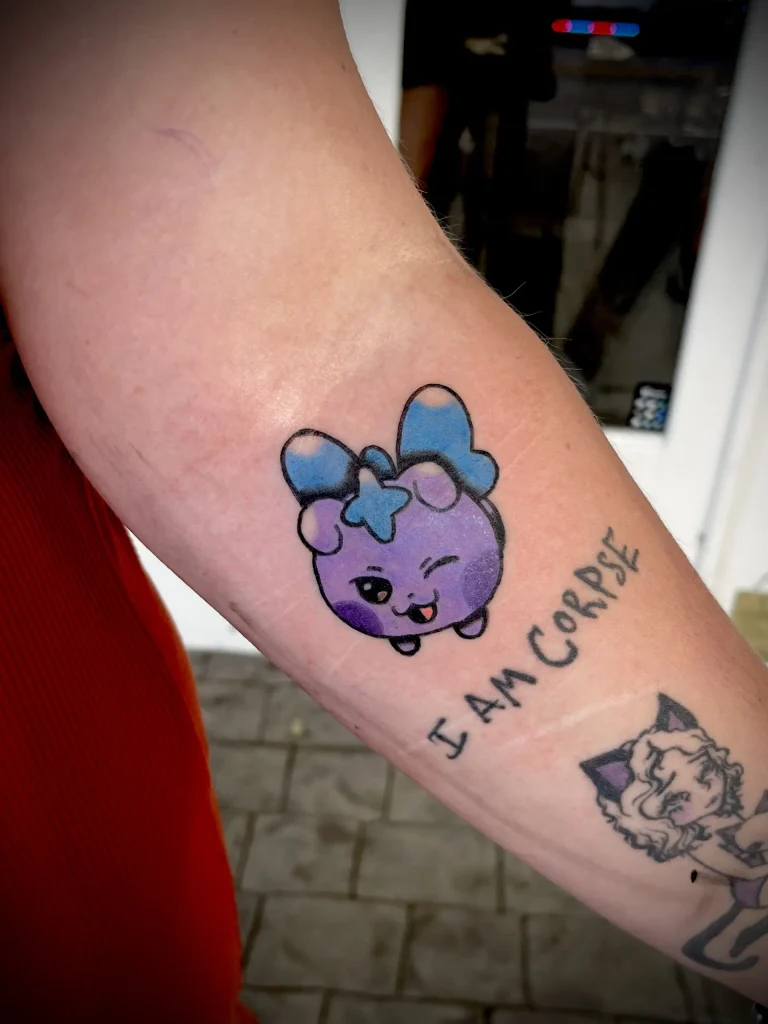
If you would rather transform an existing tattoo than remove it completely, Constant Pressure Tattoo Co. in Melbourne, Florida, offers custom tattoo artwork and professional design guidance. An experienced artist can assess your existing design and help you explore creative cover-up possibilities.