
A fresh tattoo is more than a new piece of artwork. It is also an area of skin that needs time and proper care to recover. During the first few weeks, your skin may feel tender, appear red, and develop light peeling. These changes are often part of normal healing. However, incorrect aftercare can increase irritation and the risk of complications. If you are wondering how do you take care of a new tattoo, the essentials include gentle cleaning, appropriate moisturizing, and protection from unnecessary friction.
Good tattoo aftercare does not require complicated routines or expensive products. Consistency matters more than using numerous treatments. Your tattoo artist will provide instructions based on the tattoo’s size, location, and dressing. Following those directions helps protect your skin while the artwork settles. This article explains what to expect during healing, which habits to avoid, and when a skin reaction needs medical attention.
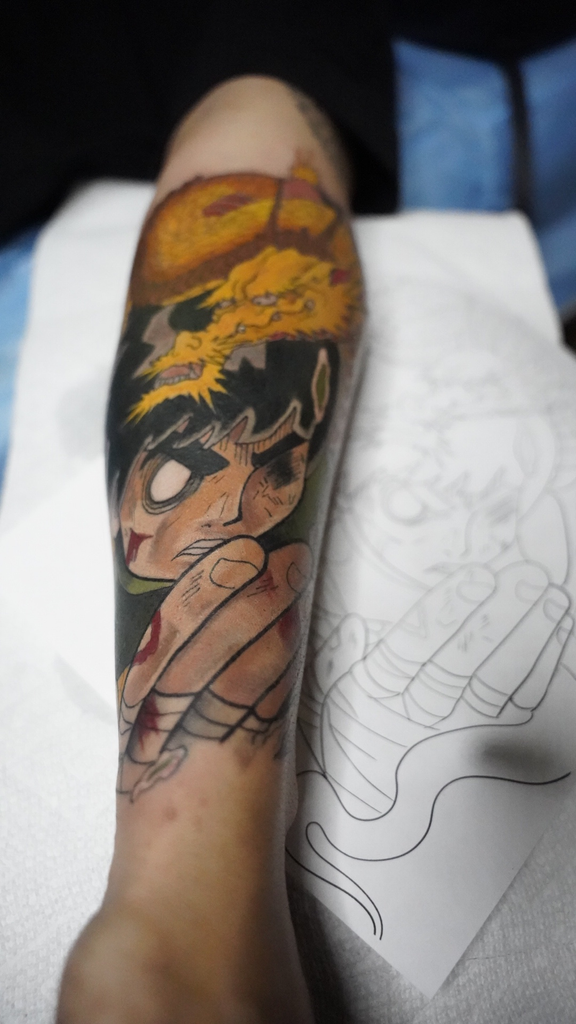
Follow Your Tattoo Artist’s Initial Aftercare Instructions
After completing your tattoo, the artist will clean the area and apply a suitable protective covering. This dressing helps protect freshly tattooed skin from immediate contact with clothing, dirt, and other contaminants. Different studios use different dressings, including conventional wraps and adhesive healing films. The appropriate removal time depends on the product and your artist’s instructions. Never assume every dressing should remain in place for the same number of hours.
When learning how do you take care of a new tattoo, start with the instructions provided at your appointment. Ask when to remove the dressing, how to clean the area, and which moisturizer to use. If an adhesive film leaks, peels excessively, or causes significant irritation, contact your artist for guidance. Avoid repeatedly removing and reapplying coverings without instructions. Clear aftercare directions help you avoid unnecessary handling during the earliest healing stage.
Wash Your Hands Before Touching the Tattoo
Clean hands are essential whenever you handle freshly tattooed skin. Your hands encounter countless surfaces throughout the day, making them a potential source of contamination. Before cleaning your tattoo or applying moisturizer, wash your hands thoroughly with soap and running water. Rub them together for at least 20 seconds, including between your fingers and around your nails. Dry them using a clean towel or disposable paper towel.
The Centers for Disease Control and Prevention’s handwashing guidance explains how proper hand hygiene helps reduce the spread of germs. This general hygiene advice applies whenever you need to handle healing skin. Avoid touching your tattoo unnecessarily, especially while traveling, exercising, or using shared equipment. Keeping your hands clean is one of the simplest ways to reduce avoidable contamination.
Clean Your New Tattoo Gently
Once your artist instructs you to remove the initial covering, clean the tattoo with lukewarm water and a mild, fragrance-free cleanser. Use clean fingertips to wash away surface residue without applying excessive pressure. Avoid washcloths, brushes, and exfoliating sponges during early healing. These tools can irritate sensitive skin and disturb developing scabs. Rinse thoroughly to remove cleanser, then gently pat the area dry with a clean disposable paper towel or other suitable clean material.
People asking how do you take care of a new tattoo often wonder how frequently they should wash it. Many artists recommend gentle cleaning around twice daily, although instructions vary with the dressing and healing conditions. Excessive washing can dry and irritate the skin. Follow your artist’s schedule and clean the area when necessary after exposure to sweat or dirt. Never scrub the tattoo in an attempt to remove peeling skin or dried residue.
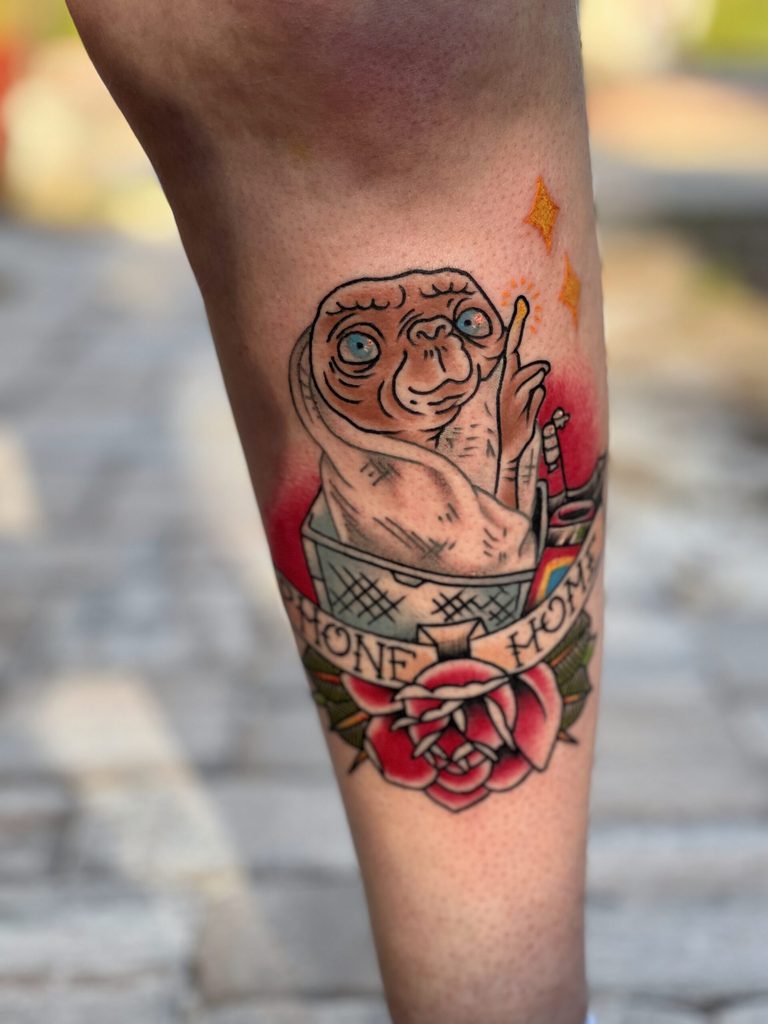
Choose the Right Moisturizer for Healing Skin
Moisturizing can help reduce uncomfortable dryness during tattoo healing. Once your artist recommends beginning moisturizer use, apply a thin layer of a suitable fragrance-free product. The skin should feel comfortable rather than heavily coated. Applying too much product can leave the area sticky and uncomfortable. Choose a moisturizer with simple ingredients and avoid products containing strong fragrances, unnecessary exfoliating acids, or other potentially irritating additives.
Understanding how do you take care of a new tattoo also means recognizing that more moisturizer is not always better. A small amount usually spreads across the skin without leaving a thick layer. Wash your hands before application and avoid dipping contaminated fingers repeatedly into product containers. If a moisturizer causes burning, a rash, or increasing redness, stop using it and seek appropriate advice. Follow the specific product recommendations provided by your artist.
Understand the Normal Tattoo Healing Stages
Fresh tattoos usually progress through several overlapping healing stages. During the first few days, mild redness, tenderness, warmth, and small amounts of clear or ink-tinted fluid may occur. The area may then begin feeling dry or itchy as the surface recovers. Light flaking and peeling often develop during the following days. These changes can make the tattoo appear temporarily dull or uneven. Resist the temptation to remove loose skin manually.
Although the visible surface may improve within a few weeks, deeper recovery can continue afterward. Healing time varies with tattoo size, placement, skin condition, and individual factors. When considering how do you take care of a new tattoo, avoid relying on a fixed calendar alone. Pay attention to the condition of your skin and follow professional instructions. Increasing pain, spreading redness, or other worsening symptoms should not be dismissed as normal healing.
Avoid Picking, Scratching, and Peeling Skin
Itching and flaking can be frustrating, especially when your tattoo begins developing dry patches. However, picking at scabs or pulling away peeling skin can damage the healing surface. It may also increase the risk of irritation, infection, and uneven appearance. Allow loose skin to separate naturally during ordinary cleansing. Keep your fingernails away from the tattoo, even when the area feels itchy. Scratching can introduce germs and create small breaks in the skin.
If itching becomes uncomfortable, check whether the skin needs the moisturizer recommended by your artist. Avoid rubbing the area against clothing or furniture. A cool compress applied over a clean protective barrier may provide temporary comfort, but do not place ice directly on healing skin. Severe itching, widespread rash, or blistering can indicate a reaction that needs medical assessment. Not every uncomfortable sensation is a normal part of recovery.
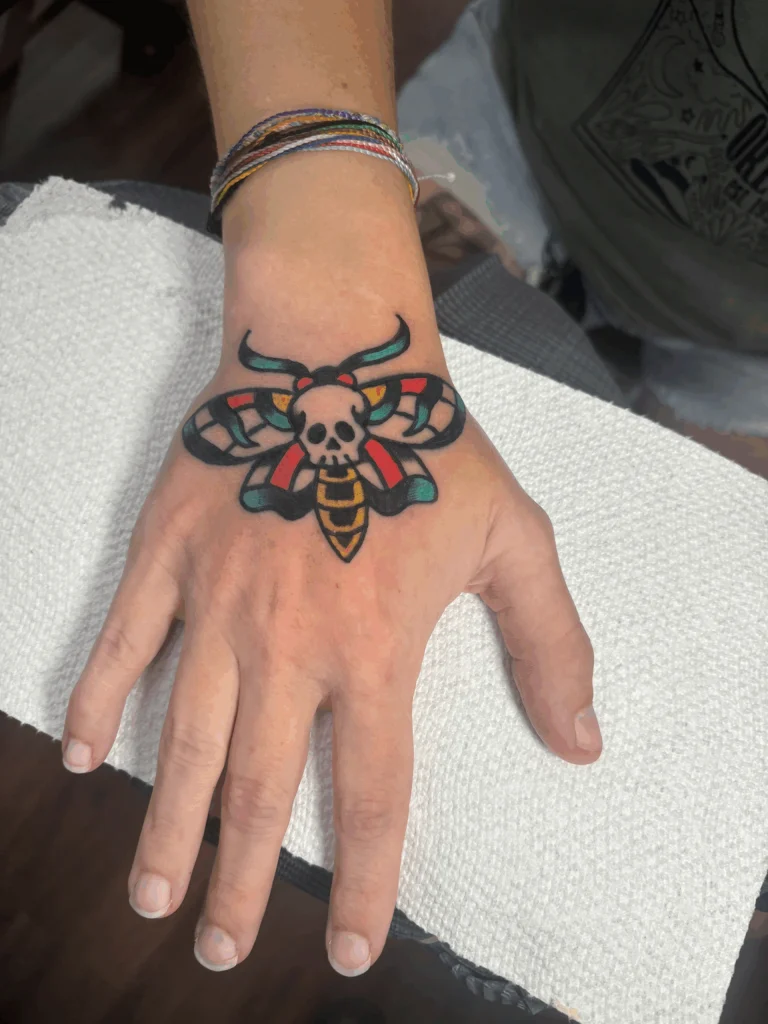
Keep Your Tattoo Away From Pools and Hot Tubs
Swimming and prolonged soaking should wait until your tattoo has healed appropriately. Pools, hot tubs, lakes, and oceans expose healing skin to water and potential contaminants. Extended immersion can also soften scabs and irritate the recovering surface. Even treated pool water is not a substitute for proper wound care. Avoid taking long baths that leave the tattoo submerged during the initial healing period.
When asking how do you take care of a new tattoo around water, distinguish quick cleansing from prolonged soaking. Short showers are generally more appropriate than baths once your artist permits normal washing. Keep the water comfortably warm rather than hot, and avoid directing strong water pressure at the tattoo. After showering, gently pat the area dry. Resume swimming only when the skin has healed and no open, peeling, or scabbed areas remain.
Protect Your Fresh Tattoo From Sun Exposure
Freshly tattooed skin needs protection from direct sunlight. Sun exposure can irritate healing tissue and contribute to unwanted skin damage. During the healing period, avoid tanning beds and prolonged outdoor exposure. When practical, cover the tattoo with loose, clean clothing that does not rub against the area. Shade can also help reduce unnecessary exposure, particularly during outdoor activities.
Do not apply sunscreen directly to skin that remains open or actively healing unless a qualified professional advises otherwise. Once the tattoo has healed, regular sun protection can help preserve the appearance of the artwork. Choose a broad-spectrum sunscreen with SPF 30 or higher and reapply according to the product directions. Sun protection remains important long after the initial tattoo aftercare period ends.
Wear Comfortable Clothing During Healing
Clothing can influence how comfortable your tattoo feels during recovery. Tight sleeves, waistbands, socks, and other fitted garments may repeatedly rub against freshly tattooed skin. Friction can increase tenderness and disturb peeling areas. Choose clean, breathable clothing that allows comfortable movement without pressing firmly against the design. The best clothing depends on the tattoo’s placement and the activities you perform throughout the day.
For anyone researching how do you take care of a new tattoo, fabric contact deserves attention. Avoid wearing dirty workout clothing against the area. If fabric sticks to the tattoo, do not pull it away forcefully. Gently moisten the material with clean lukewarm water and separate it carefully. Contact your artist or a healthcare professional if you cannot remove it without disturbing the skin.
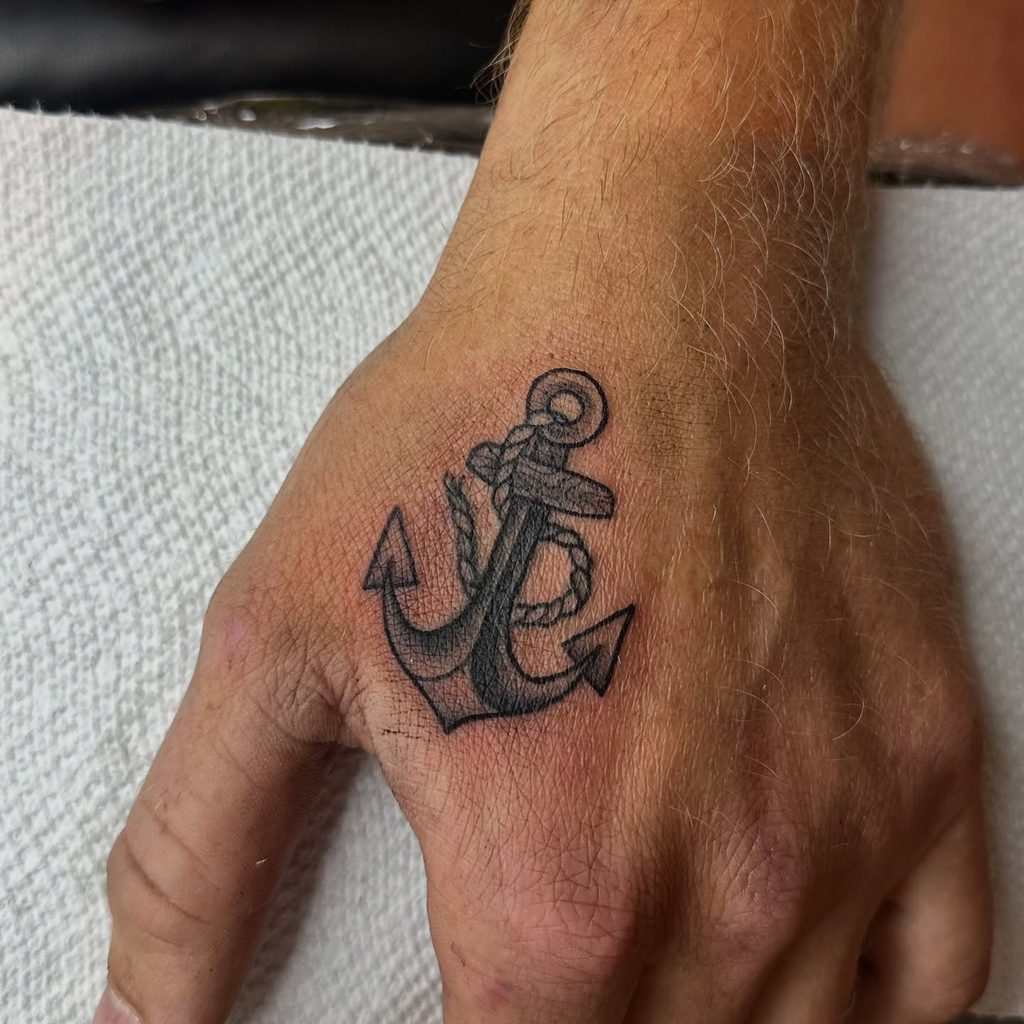
Exercise Carefully While Your Tattoo Heals
Exercise can create challenges during the early healing period because of sweating, friction, and repeated skin movement. Activities involving tight equipment, shared gym surfaces, or substantial stretching may irritate the tattoo. For example, a fresh shoulder tattoo may feel uncomfortable during upper-body training. A new leg tattoo may experience friction during running or cycling. Adjust your activities according to the tattoo’s location and your artist’s recommendations.
Light movement may be comfortable for some people, but avoid activities that repeatedly pull or rub the healing area. Keep the tattoo away from shared surfaces whenever possible. Clean it according to your aftercare instructions after sweating. If exercise causes increasing pain, irritation, or bleeding, stop and allow the skin to recover. Do not prioritize a workout over proper healing.
Avoid Harsh Products and Home Remedies
Healing tattoos do not benefit from unnecessary chemical treatments. Avoid applying rubbing alcohol, hydrogen peroxide, harsh exfoliating products, or strongly scented lotions unless a qualified clinician specifically recommends a treatment. These substances may dry or irritate the skin. Similarly, avoid using household remedies simply because someone online claims they improve tattoo color or accelerate healing.
When learning how do you take care of a new tattoo, keep your routine straightforward. Gentle cleansing and an appropriate moisturizer are usually more useful than combining multiple products. Do not apply antibiotic creams, medicated ointments, or topical anesthetics without suitable professional guidance. If you suspect an infection or allergic reaction, seek medical evaluation rather than experimenting with additional products.
Recognize Signs of Infection or Allergic Reactions
Some tenderness and redness can occur after tattooing, but symptoms should generally improve rather than steadily worsen. Warning signs include spreading redness, increasing swelling, worsening pain, pus, fever, or skin that becomes progressively hotter and more inflamed. Red streaks extending from the area also require prompt medical attention. These symptoms may indicate an infection or another complication that needs professional treatment.
Allergic reactions can produce persistent itching, raised patches, swelling, or unusual changes around particular ink colors. Reactions may appear soon after tattooing or develop later. If you experience difficulty breathing or swelling involving your face or throat, seek emergency care. A tattoo artist can answer routine aftercare questions, but medical professionals should evaluate suspected infections and significant skin reactions.
Care for Tattoos on Different Body Areas
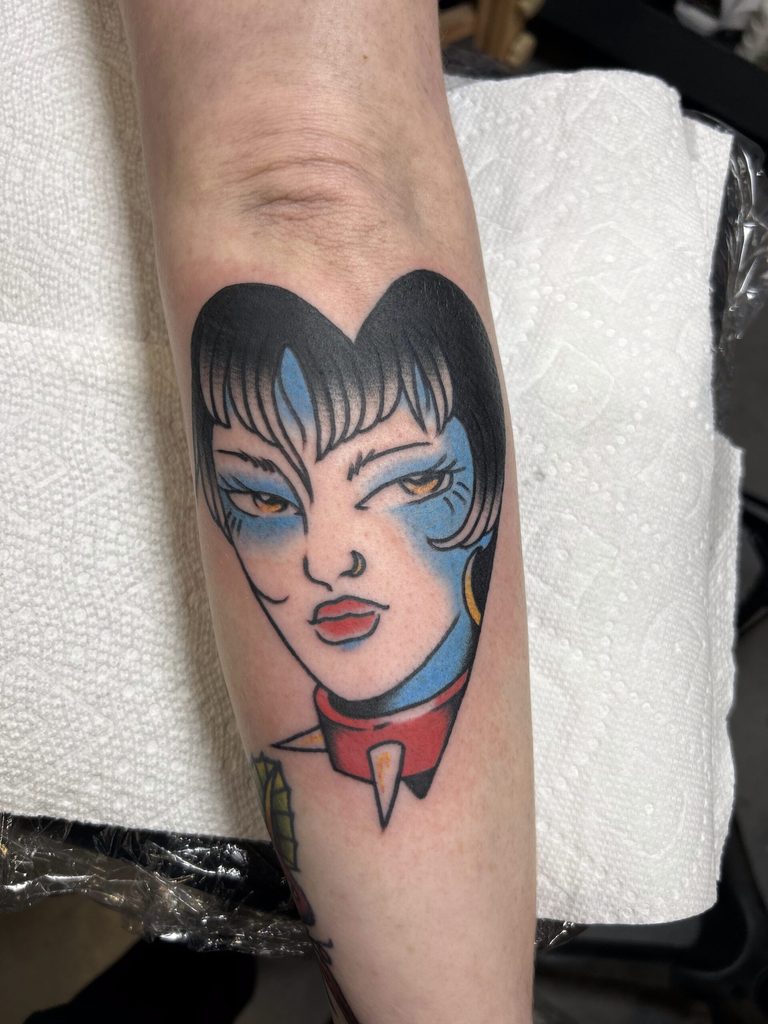
Tattoo placement can affect everyday aftercare. A forearm tattoo may encounter desk surfaces, sleeves, and frequent hand movement. A thigh tattoo may experience friction from pants or exercise. Tattoos near ankles and feet can face pressure from socks and footwear. Designs around joints may feel uncomfortable during repeated bending. Adjust your clothing, sleeping position, and activities to reduce unnecessary contact with the healing area.
People wondering how do you take care of a new tattoo on a difficult body part should discuss placement-specific concerns before leaving the studio. Some areas are harder to clean or protect independently. Your artist can explain how to access the tattoo safely and avoid excessive pressure. Do not use tight wrapping or improvised coverings to solve friction problems without professional guidance.
Sleep Without Irritating Your New Tattoo
Sleeping comfortably can be challenging when a fresh tattoo sits on your back, shoulder, thigh, or another pressure point. Use clean bedding and try to avoid resting directly on the healing area. Choose a sleeping position that limits rubbing and pressure whenever possible. Fresh tattoos may release small amounts of fluid initially, so keeping your bedding clean is especially important.
If you accidentally roll onto the tattoo during sleep, do not panic. Check the area for irritation and continue your normal aftercare routine. Avoid applying excessive moisturizer before bed, since heavy product layers can transfer onto clothing and bedding. If your artist has supplied an approved healing film, follow the specific instructions for sleeping and dressing care.
Know When Your Tattoo Is Fully Healed
A tattoo may look healed before all underlying recovery is complete. Surface peeling usually stops first, followed by gradual improvements in texture and sensitivity. The skin should eventually feel comfortable, without open areas, scabs, persistent tenderness, or unusual redness. Healing times vary, so avoid assuming every tattoo reaches the same stage after two weeks. Larger pieces and heavily worked areas may need additional recovery time.
When considering how do you take care of a new tattoo after the peeling stops, continue treating the skin gently. Normal moisturizing and sun protection remain useful. Avoid rushing back into activities that create prolonged friction or soaking if the area still appears irritated. If you are unsure whether healing is complete, ask your artist or a qualified healthcare professional for guidance.
Maintain Your Tattoo’s Appearance After Healing
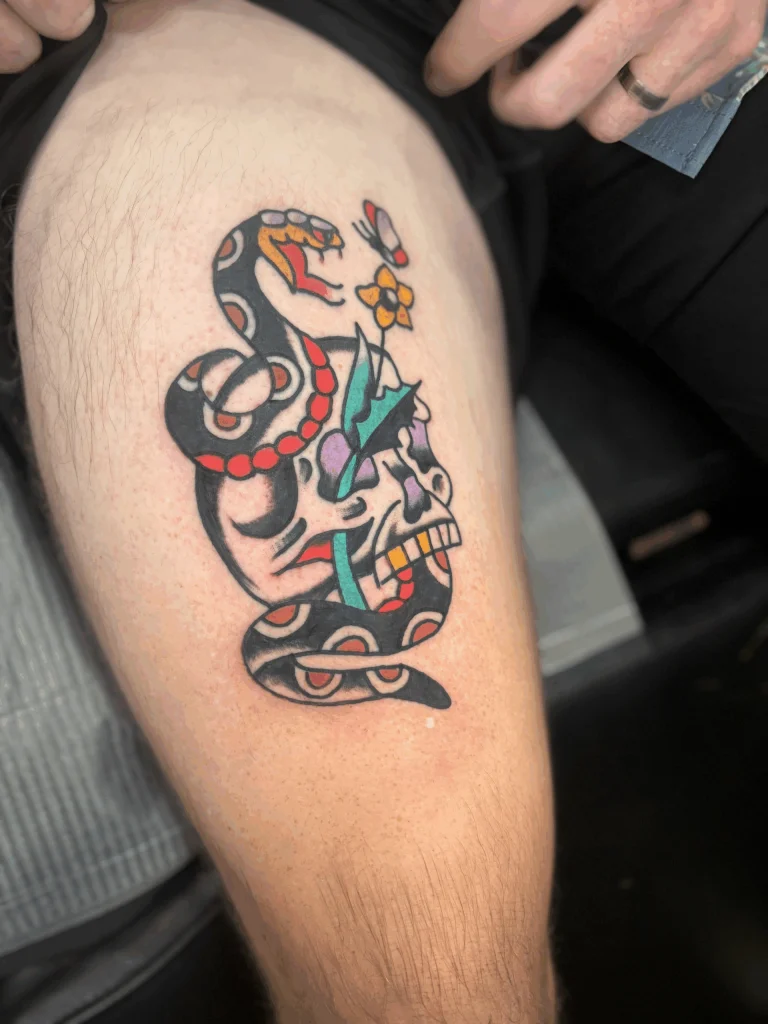
Long-term tattoo care focuses on keeping your skin healthy. Moisturize when needed, protect exposed skin from excessive sunlight, and avoid unnecessary irritation. These habits can support the tattoo’s appearance as your skin changes over time. Tattoo pigments may gradually soften or fade, especially with repeated sun exposure. Normal aging, skin changes, and the original tattoo technique can also influence how the artwork looks years later.
Some tattoos may eventually benefit from a professional touch-up, although not every design requires one. If you are planning additional artwork, review the portfolios of experienced tattoo artists to explore different styles and techniques. Choosing a design that suits your placement and maintaining sensible skin care can help you enjoy your artwork for years.
Common Mistakes to Avoid During Tattoo Aftercare
Several common habits can make tattoo healing more difficult. These include washing too aggressively, applying thick layers of moisturizer, scratching peeling skin, swimming too soon, and exposing fresh artwork to direct sunlight. Repeatedly touching the tattoo with unwashed hands also creates unnecessary contamination risks. Another mistake is changing aftercare products frequently without a clear reason. A consistent routine makes it easier to notice whether your skin is improving.
If you are still asking how do you take care of a new tattoo, focus on protecting the skin rather than trying to speed up recovery. Healing follows a biological process that cannot be safely rushed through excessive washing or special products. Follow your artist’s instructions, watch for concerning symptoms, and allow sufficient time before returning to activities that could irritate the area.
Conclusion
So, how do you take care of a new tattoo? Begin by following your artist’s dressing instructions, washing your hands, and gently cleaning the area. Use an appropriate moisturizer without applying excessive amounts. Avoid scratching, prolonged soaking, direct sunlight, and unnecessary friction while the skin heals. Pay attention to changes in tenderness, redness, and swelling, and seek medical care when symptoms suggest a complication.
At Constant Pressure Tattoo Co. in Melbourne, Florida, clients can explore custom tattoo artwork and receive aftercare guidance for their new designs. Whether you are planning your first tattoo or adding another piece, understanding proper healing practices helps you care for your artwork from the first day onward.