
A meaningful tattoo often begins with a simple idea, a personal memory, or an image that captures something important. Turning that inspiration into permanent artwork requires more than choosing an attractive picture. You need to consider the design’s meaning, artistic style, size, placement, and long-term appearance. Learning how to design your own custom tattoo allows you to develop an original concept that reflects your personality while remaining suitable for tattooing.
You do not need professional drawing skills to create a tattoo concept. Reference images, rough sketches, photographs, and written descriptions can help communicate your vision. Understanding how to design your own custom tattoo also means knowing when to involve a professional artist. Their experience can transform an initial idea into artwork that works naturally with your body.
Start With a Meaningful Tattoo Concept
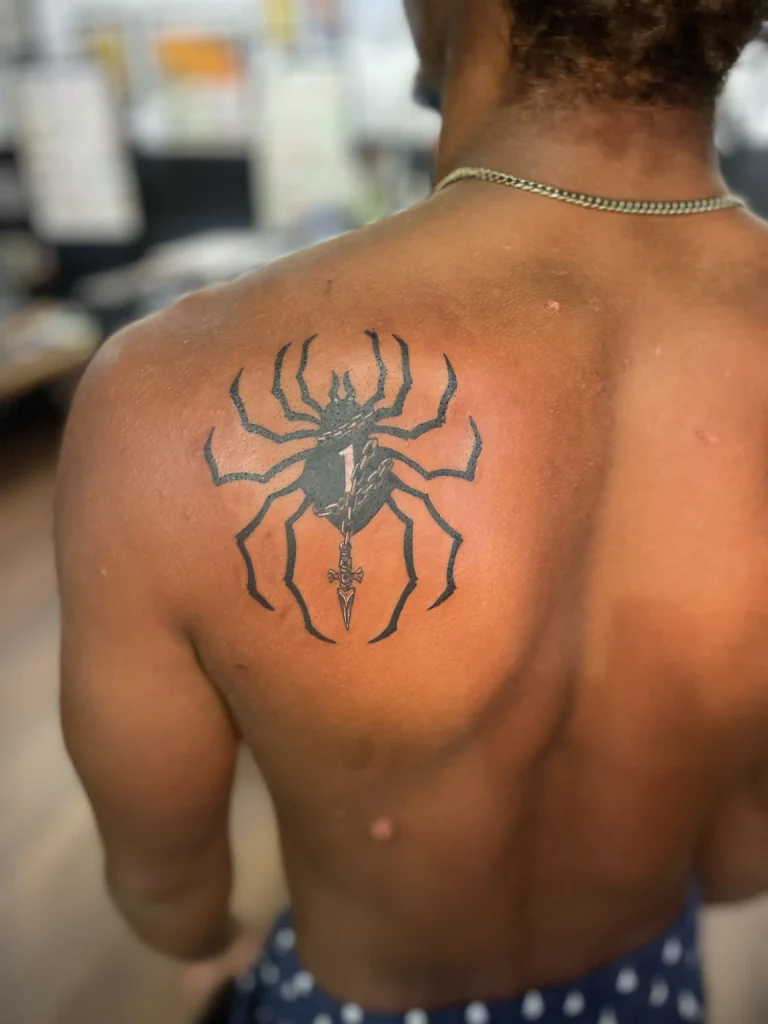
The first step is deciding what your tattoo should represent. Some people choose artwork connected to family, personal achievements, cultural traditions, or significant experiences. Others prefer decorative designs because they appreciate a particular artistic style. Neither approach is inherently better. The important thing is selecting a concept that feels appropriate for you. Write down the ideas, symbols, and visual elements you want to explore before concentrating on specific details.
When considering how to design your own custom tattoo, avoid forcing too many unrelated meanings into one composition. A clear central theme often creates stronger artwork than a design filled with competing symbols. You can still include personal details, but they should support the overall concept rather than overwhelm it.
Collect Reference Images and Visual Inspiration
Reference images help communicate ideas that may be difficult to explain through words alone. Collect examples of tattoo styles, illustrations, patterns, flowers, animals, lettering, or other subjects that interest you. Pay attention to the specific features you like, such as line thickness, shading, proportions, and composition. Creating a small reference collection gives your artist a clearer picture of your preferences.
Use references for inspiration rather than copying another person’s tattoo. Original artwork allows you to combine different influences into something distinctive. When exploring how to design your own custom tattoo, focus on identifying the elements that appeal to you instead of reproducing an existing design exactly.
Choose a Tattoo Style That Matches Your Idea
Different tattoo styles create different visual effects. Traditional tattoos often feature bold outlines and recognizable shapes. Realism emphasizes lifelike detail, while fine-line tattooing uses delicate lines and subtle compositions. Geometric, illustrative, ornamental, and blackwork styles provide additional creative possibilities. The subject of your tattoo can influence which style works best, but personal preference remains important.
Consider how the selected style will complement the design’s size and placement. A detailed realistic portrait requires different planning than a minimalist symbol. When deciding how to design your own custom tattoo, choose a style that supports the artwork rather than selecting one solely because it is currently popular.
Develop a Rough Sketch or Design Layout
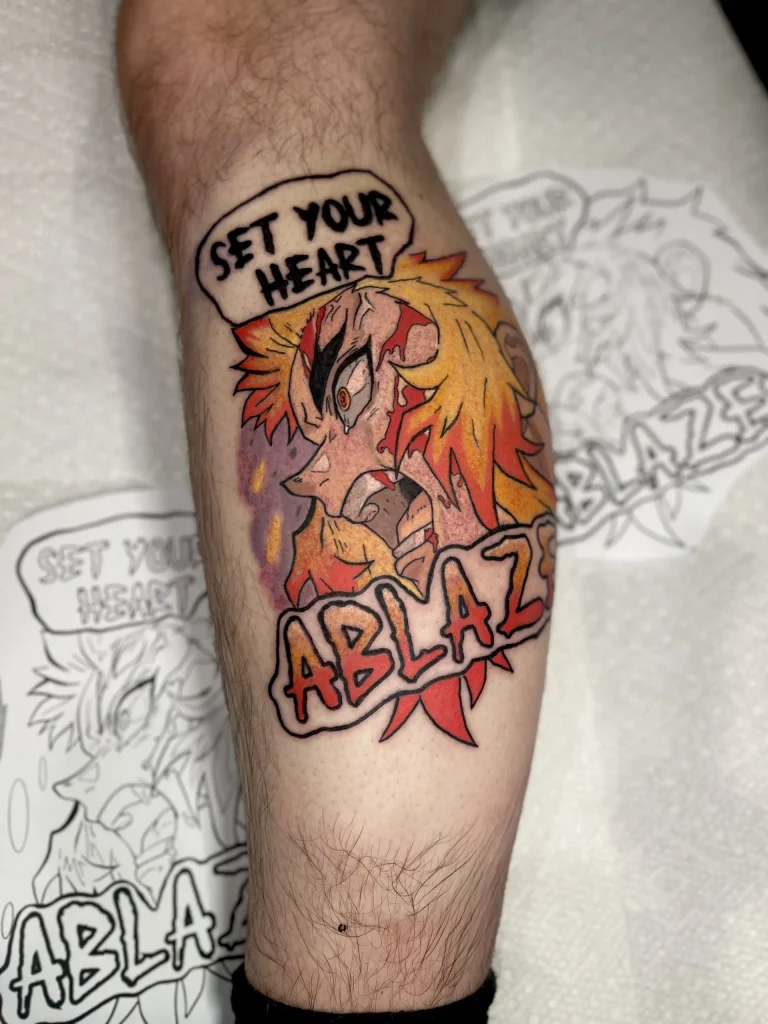
Once you have a concept and preferred style, begin arranging the main elements. You can draw a simple sketch on paper or use a digital drawing application. Focus on the general shape, proportions, and arrangement rather than perfecting every line. Even a basic sketch can show whether you prefer a vertical composition, circular arrangement, or design that follows a particular body contour.
Do not worry if your drawing skills are limited. Professional tattoo artists regularly interpret rough concepts and reference materials. Learning how to design your own custom tattoo involves communicating your intentions clearly, not necessarily producing a finished illustration independently.
Select the Right Tattoo Placement
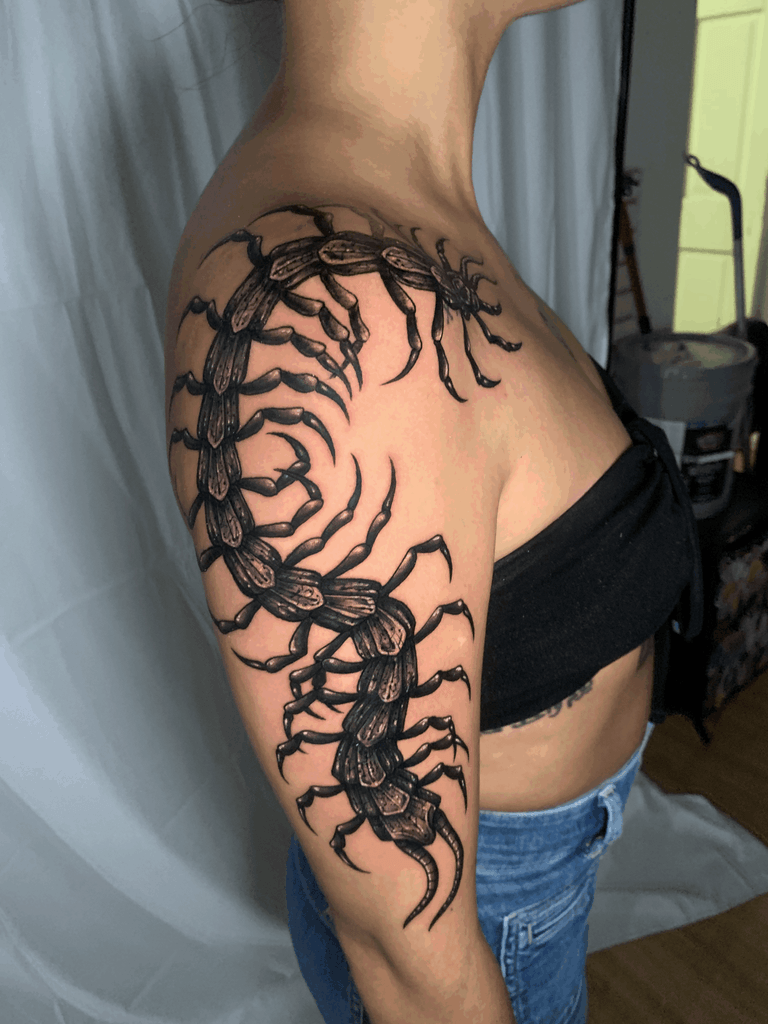
Placement influences the appearance and structure of your tattoo. The forearm, upper arm, shoulder, thigh, back, and chest offer different amounts of space and natural contours. A narrow vertical design may suit the forearm, while a wider composition might work better across the upper back. Consider whether you want the artwork prominently visible or positioned somewhere easier to cover with clothing.
Movement and skin contours also matter. Designs near joints may need adjustments to accommodate bending and stretching. Your artist can explain how placement affects the composition and recommend modifications that help the artwork fit naturally.
Determine the Appropriate Tattoo Size
Tattoo dimensions should accommodate the design’s important details. Small tattoos can work well for simple symbols, short lettering, and uncomplicated shapes. However, intricate patterns and detailed illustrations often need more space. Compressing too many elements into a small area can make the artwork difficult to read, especially as lines soften over time.
When researching how to design your own custom tattoo, consider size alongside visual clarity. An artist may recommend enlarging the design or simplifying certain elements. These adjustments can preserve the central idea while creating enough separation between important lines and shapes.
Plan Your Tattoo Colors and Shading
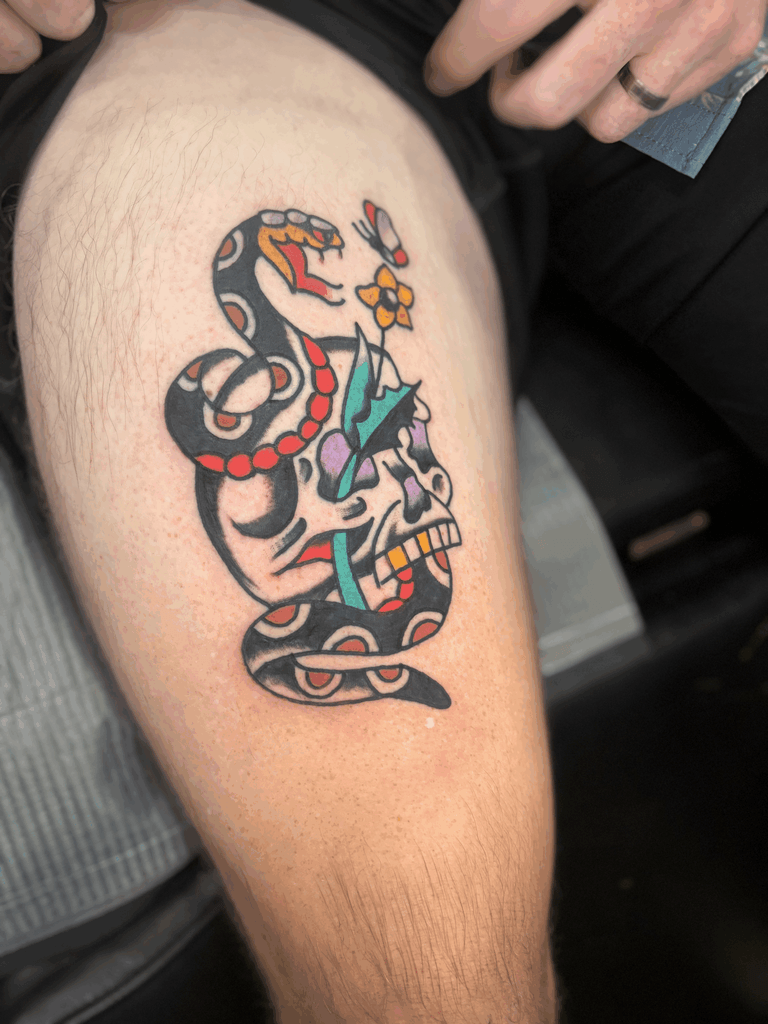
Color selection changes the overall mood of a tattoo. Black-and-gray designs can emphasize contrast, texture, and shading. Color tattoos allow artists to introduce different visual effects through carefully selected pigments. Some concepts work particularly well with a limited palette, while others benefit from several complementary colors.
Consider your skin tone, design style, and preferred level of contrast. Tattoo colors appear through the skin rather than sitting on top of it like ordinary paint. An experienced artist can explain which combinations suit the artwork and how shading may help create depth without overwhelming the composition.
Balance Personal Details With Clear Composition
Custom tattoos often include names, dates, initials, meaningful objects, or symbolic elements. These details can make artwork more personal, but their arrangement requires care. Too many small components can create visual clutter and make the main subject difficult to recognize. Establish a focal point and arrange supporting details around it.
Understanding how to design your own custom tattoo means knowing which details deserve emphasis. For example, a floral composition might incorporate a meaningful date without allowing the lettering to dominate the entire design. Good visual balance helps each element contribute to the finished artwork.
Work With a Professional Tattoo Artist
A tattoo artist brings practical knowledge about linework, shading, skin placement, and design execution. They can identify details that may be difficult to tattoo at the requested size and recommend adjustments. Bring your references, sketches, and written ideas to the consultation. Explain which features matter most and where you are willing to make changes.
Reviewing the portfolios of experienced tattoo artists can help you identify someone whose artistic approach matches your concept. When learning how to design your own custom tattoo, collaboration is valuable because the final artwork must function as both an illustration and a permanent tattoo.
Explore Original Artwork for Creative Direction
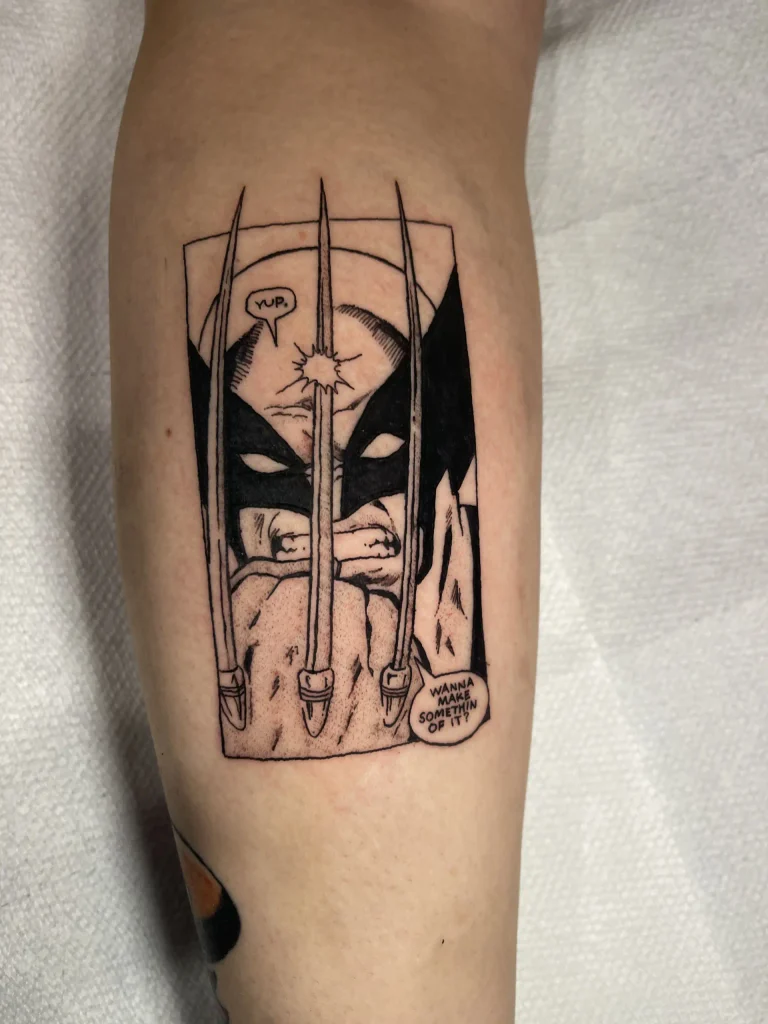
Not every custom tattoo needs to begin with a completely blank page. Existing original artwork can provide inspiration for composition, subject matter, and artistic direction. You might find a design with an appealing structure and discuss whether a separate custom concept could incorporate similar visual qualities. This approach can help when you have a general preference but struggle to describe a complete idea.
Browsing original art for sale can introduce you to different artistic concepts. Treat finished artwork and an artist’s intellectual property with respect. Discuss permissions and customization directly rather than assuming every design is available for unrestricted reproduction.
Consider Tattoo Safety During the Planning Process
Design planning should also include practical safety considerations. Tattooing introduces pigment into the skin, and potential risks include allergic reactions, infections, and other complications. Choose a professional studio that follows appropriate hygiene procedures and uses suitable equipment. If you have a skin condition or medical concern that could affect tattooing, consult a qualified healthcare professional beforehand.
The U.S. Food and Drug Administration provides information about tattoo inks, permanent makeup, and associated safety considerations. This regulatory resource supports informed decisions without replacing professional medical advice or your tattoo artist’s instructions.
Review and Refine Your Final Tattoo Design
Before approving the artwork, examine its proportions, lettering, colors, and placement. Check names, dates, and spelling carefully. Consider how the design looks from different distances and whether its main subject remains recognizable. Your artist may present a stencil or placement preview so you can evaluate the composition against your body’s natural shape.
The final stage of how to design your own custom tattoo involves making thoughtful adjustments before tattooing begins. Ask questions if something appears unclear, and communicate changes respectfully. Once you approve the design, you should feel comfortable with its overall direction rather than rushing because the appointment has started.
Conclusion
Knowing how to design your own custom tattoo involves developing a meaningful concept, gathering inspiration, choosing a suitable style, and planning the artwork’s size and placement. Clear composition, thoughtful details, and professional collaboration can turn an initial idea into distinctive body art. Take time to review the design and make necessary adjustments before committing to permanent ink.
For custom tattoo artwork in Melbourne, Florida, Constant Pressure Tattoo Co. offers professional tattooing and creative guidance. Whether you have a complete concept or only a few reference images, working with an experienced artist can help you develop artwork that reflects your individual style.