
How do tattoos work? A tattoo artist uses needles to place ink into the dermis, the skin layer beneath the surface. Pigment remains within that deeper tissue, while the outer skin continues its normal renewal cycle. Immune cells also help hold pigment in place. That combination allows a design to last for years instead of washing away. However, permanence does not mean a tattoo stays visually unchanged. Healing, sunlight, and changes in your skin can affect its appearance. Here is what happens from the first needle puncture to the tattoo you see after healing.
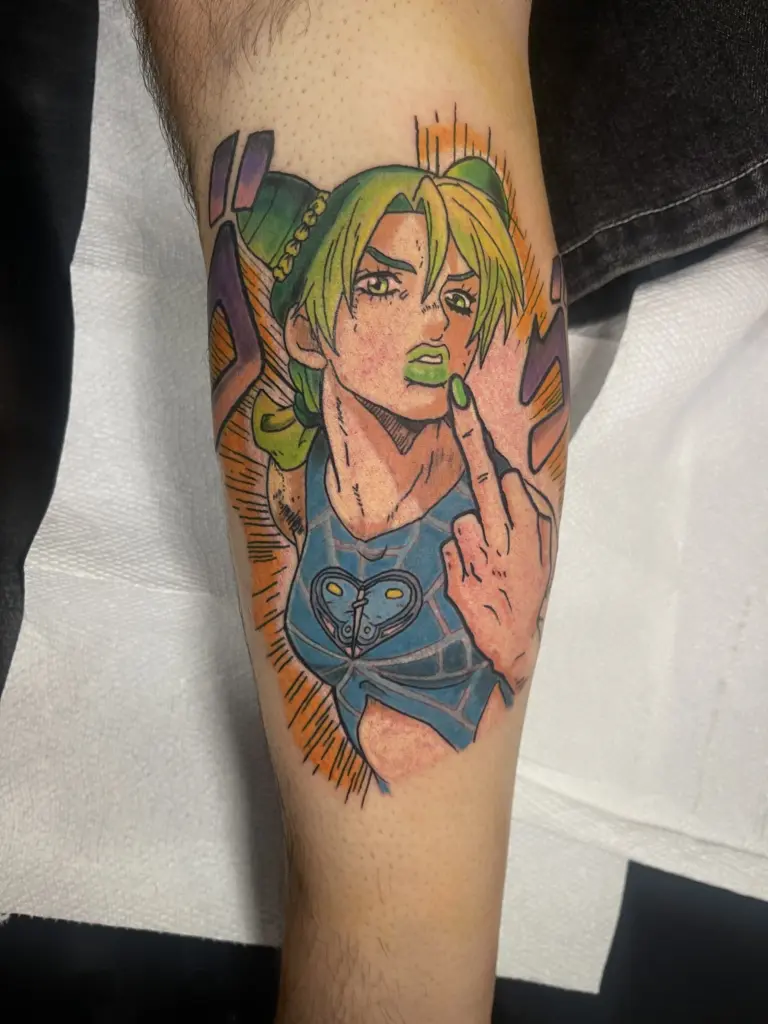
How Do Tattoos Work Beneath The Skin?
Your skin has several layers, but two matter most when explaining tattoo placement. The epidermis forms the outer barrier and continually replaces its surface cells. Beneath it lies the dermis, which contains connective tissue, blood vessels, and nerves. Tattoo needles pass through the epidermis and introduce pigment into the dermis. Consequently, ordinary surface shedding does not carry away the entire design. A temporary transfer sits on the outside instead, so it cannot offer the same permanence.
Think of permanent tattooing as placing color within the skin rather than painting over it. The outer layer eventually heals over the pigment, which remains visible through the skin above it. This also explains why washing a healed tattoo does not erase the artwork. However, deeper does not automatically mean better. Professional tattooing requires controlled placement, not simply pushing a needle farther into the body. The phrase “under the skin” can sound misleading: a normal tattoo sits within skin tissue, not in the muscle underneath.
How Tattoo Machines Apply The Ink
An electric tattoo machine moves a needle or group of needles rapidly up and down. Meanwhile, the artist guides those repeated movements across the planned design. Unlike a typical hypodermic needle, a tattoo needle is solid. Ink travels along its surface and enters the tiny punctures that the needle creates. Therefore, the process differs from injecting liquid through a hollow tube. The machine supplies motion, but it does not decide where a line belongs. That work comes from the artist’s judgment and control. Lines define edges, while shading creates darker and lighter areas. Color adds another layer of visual contrast. Artists combine these elements according to the design rather than using an identical approach for every piece. For example, a small outline and a shaded portrait ask for different visual decisions. When reviewing portfolios, look beyond the subject alone. Ask how the artist would translate your idea into lines, shapes, and readable details. Understanding the equipment helps, but choosing an artist also means evaluating their finished work.

What Tattoo Ink Contains
Tattoo ink contains pigment particles suspended in a liquid carrier. The pigment supplies the visible color, while the carrier helps the artist apply those particles. Exact recipes vary between manufacturers, product lines, and shades. Carriers may include water, glycerin, or alcohol, and some inks contain additional ingredients. For example, additives can adjust consistency or help keep pigment dispersed throughout the mixture. The lasting image comes from retained pigment, not a permanent pocket of colored liquid. However, a bright color or familiar brand name does not prove that a product is sterile. The FDA warns that contaminated tattoo inks can cause infections, even when containers arrive sealed. Therefore, product handling matters alongside clean equipment and professional technique. Ask your artist about the inks they use and how they manage contamination risks. Also, mention previous reactions to pigments or cosmetics before the appointment. A healthcare professional can advise you about relevant allergies or skin conditions. Household writing ink is not an appropriate substitute for professional tattoo supplies.
How Do Tattoos Work With Your Immune System?
Your immune system responds when tattoo needles disrupt the skin and introduce foreign material. Cells called macrophages help collect debris and engulf pigment particles. However, collecting pigment does not necessarily mean removing it from the tattooed area. A 2018 mouse study examined this process by removing pigment-carrying macrophages from tattooed skin. The tattoos remained visible, even after those cells disappeared. Pigment stayed locally until replacement macrophages collected it again. This capture-and-recapture cycle helps explain why a tattoo can outlast individual cells. In other words, permanence does not require one group of cells to survive for your entire life. The study used mice, so it does not settle every question about pigment behavior in human tattoos. Still, it offers an important explanation for long-term retention. The skin does not simply lock ink inside an unchanging container. Instead, living tissue continues to respond around the pigment.
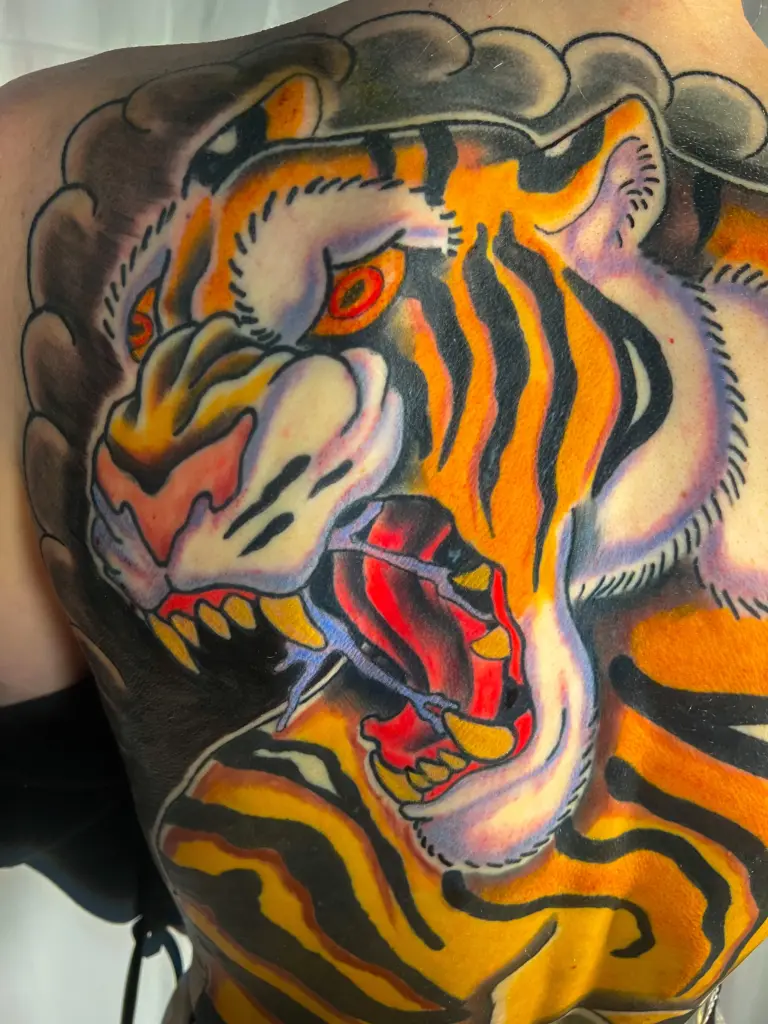
What Happens During A Tattoo Appointment
The process starts with decisions, not needles. Use a tattoo consultation to discuss your preferred style, size, placement, and expectations. Bring reference images, but explain which features interest you rather than relying on the pictures alone. Also, consider how the design fits the body area you have chosen. Before tattooing starts, review the final layout carefully. Check spelling, orientation, proportions, and any details that hold personal meaning. Ask to see the placement from different angles when possible. A small adjustment at this stage is easier than changing permanent ink later. During the session, communicate with your artist instead of trying to hide discomfort. Tattooing can cause pain and some bleeding, so speak up when you need a break or feel unwell. Ask about sterile, single-use needles and the studio’s infection-control practices as well. Finally, leave with written aftercare instructions and a clear way to ask follow-up questions. The appointment should give you more than artwork: it should also leave you knowing how to care for the area.
What Changes While A Tattoo Heals
A fresh tattoo involves many small punctures, so healing forms part of the process. Some initial soreness, redness, swelling, or clear fluid can occur. As the skin heals, itching, flaking, and small scabs may develop. However, those possibilities do not make every skin change harmless. Follow the written instructions for your particular dressing and keep care gentle. Do not scratch or pick at the area. Also, avoid swimming while the tattoo heals. Ask for aftercare assistance when you need clarification about the studio’s instructions. Do not swap between conflicting routines simply because someone online recommends another product.
Increasing pain, spreading redness, pus, or fever need prompt medical attention. Contact a healthcare professional rather than waiting for the tattoo to improve on its own. Your artist can explain their process, but they cannot replace medical evaluation. Tell the clinician when you received the tattoo and how your symptoms changed. Ink brand and batch information may also help them investigate a reaction. Above all, avoid judging healing by another person’s timeline. Get advice about your own skin when something concerns you.
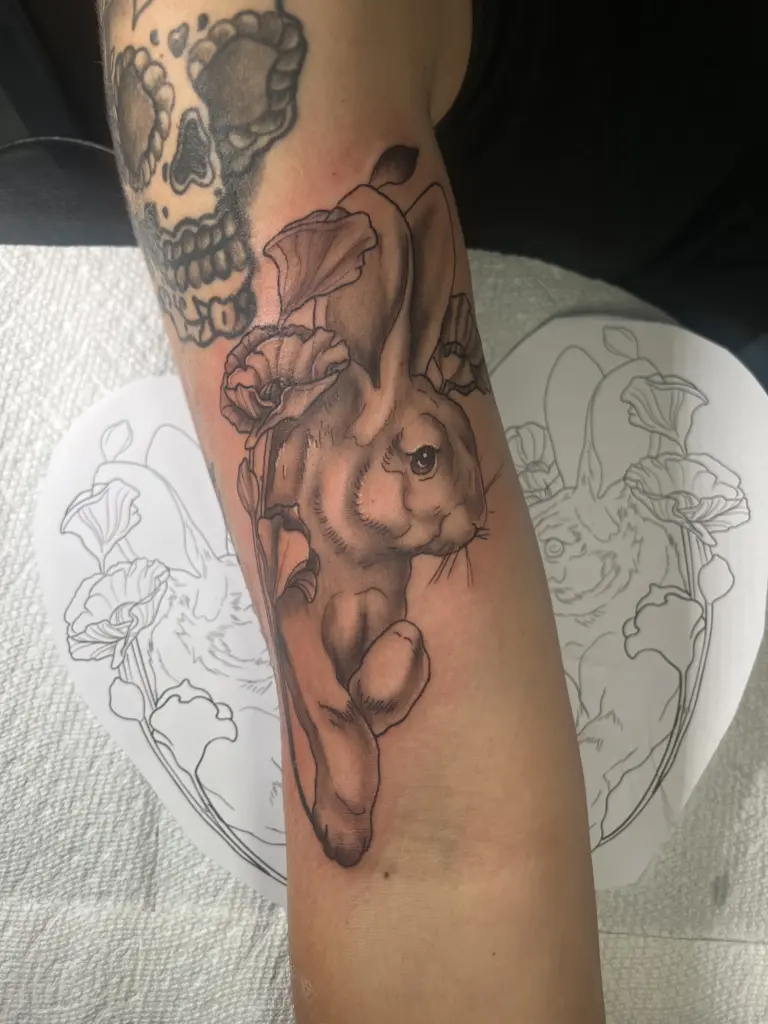
Why Permanent Tattoos Can Still Fade
Permanent means pigment can remain for the long term. It does not promise identical color and contrast throughout your life. Ultraviolet light can fade some tattoo inks, while changes in the surrounding skin can affect the artwork’s appearance. Therefore, think about long-term care before choosing placement. Once the tattoo has healed, sun protection becomes part of caring for exposed skin.
The American Academy of Dermatology’s tattoo care guidance recommends broad-spectrum, water-resistant sunscreen with SPF 30 or higher. Follow the product directions for application and reapplication. Avoid tanning beds, which also expose tattooed skin to ultraviolet light. For Melbourne residents who spend time outdoors, consider how clothing and shade fit into that routine. When choosing a design, ask to see healed examples as well as fresh photographs. Compare how the details read at a normal viewing distance. That conversation offers a more useful starting point than expecting fresh-tattoo brightness to remain completely unchanged forever.
How Laser Removal Changes Tattoo Pigment
Laser removal helps explain why permanent tattoos resist ordinary washing. Instead of cleaning the surface, a suitable laser targets pigment with pulses of light. This breaks pigment into smaller particles that the body can gradually clear. Different ink colors absorb different wavelengths, so a multicolored tattoo may require more than one laser type. Treatment usually involves multiple appointments, and complete removal is not always possible. Scarring and skin-color changes can occur as well. Therefore, speak with a qualified healthcare professional about realistic outcomes rather than assuming removal offers a simple reset.
The FDA has not approved tattoo-removal creams or do-it-yourself removal kits. These products can damage skin without reliably removing the deeper pigment. Knowing this should shape your original decision, not discourage thoughtful tattoo planning. Give yourself time to settle on the design and placement before booking. A permanent choice deserves consideration even when professional removal might become an option later.
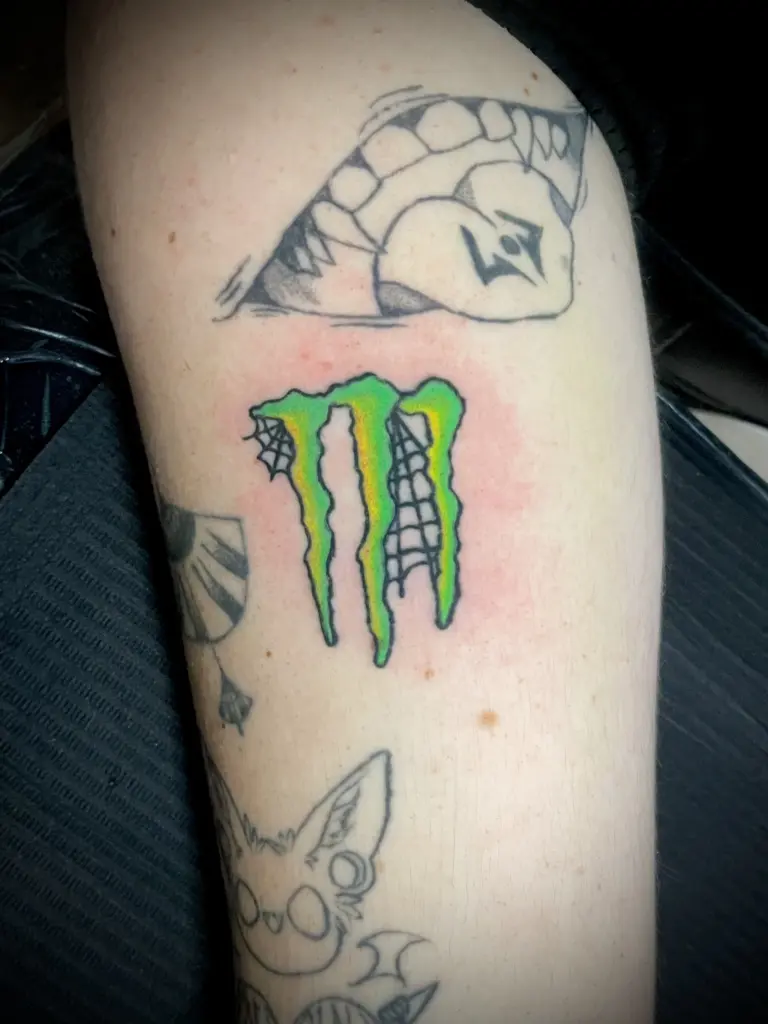
Making An Informed Tattoo Decision
So, how do tattoos work? Needles introduce pigment into the dermis, and living tissue helps retain it while the surface renews. The artwork remains, but its appearance can change as your skin and circumstances change. Knowing the basic process gives you better questions to ask before committing. Discuss the design, the artist’s approach, the studio’s hygiene practices, and the care your tattoo will need. Also, make room for practical concerns such as clothing, work demands, and upcoming activities. You do not need to understand every scientific detail before getting tattooed. You do need clear expectations and an artist who takes your questions seriously.
For a tattoo in Melbourne, Florida, Constant Pressure Tattoo Co. offers custom tattoo work and consultations. Bring your references, explain what matters to you, and discuss placement and scale with the team. Start with a conversation about the piece you actually want, rather than rushing toward the first available appointment.