
Existing black tattoos do not always have to remain exactly as they are. Color may sometimes be incorporated into older black work, but the process has limitations that differ from tattooing untouched skin. Can you tattoo color over black ink? Yes, in certain situations, although lighter pigment cannot simply erase or completely hide dense black ink. The age and saturation of the existing tattoo, the new colors, skin tone, placement, and design all influence what an artist can realistically achieve.
A successful result usually comes from designing with the existing black rather than treating it like a blank canvas. An experienced artist can evaluate which areas may accept additional color and where the original black should become part of the new composition. Some tattoos provide considerable flexibility, while heavily saturated blackwork can require a different approach.
Why Black Ink Is Difficult to Cover
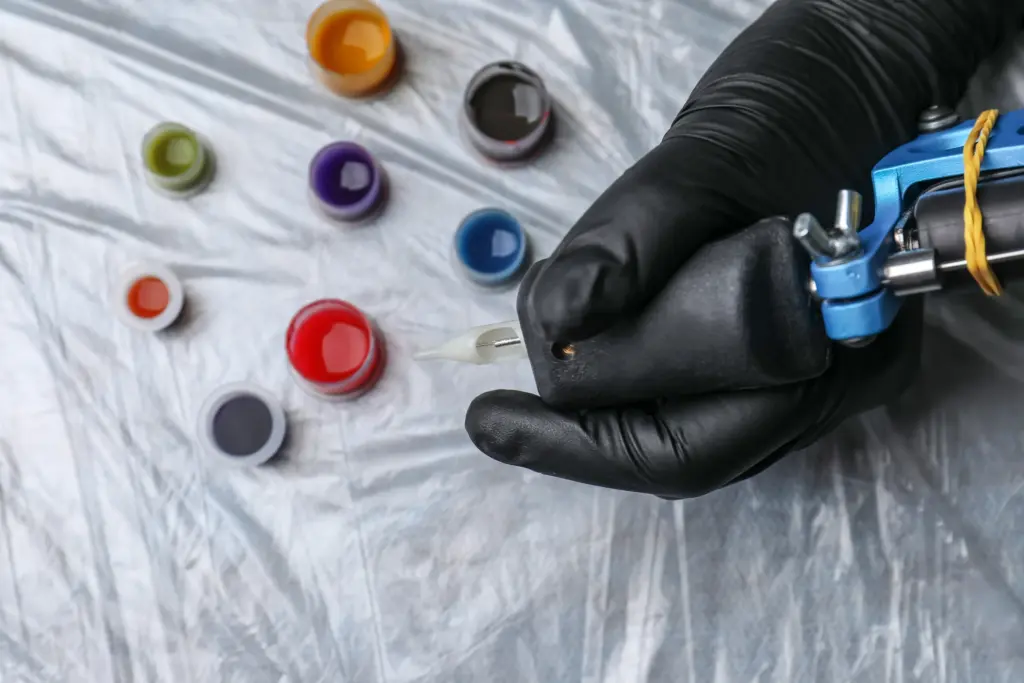
Black tattoo ink creates strong contrast and can remain highly visible for years. Adding another pigment does not work like applying a new coat of paint over a dark surface. Tattoo pigments sit within the skin, so the original black remains beneath or alongside newly deposited pigment. This makes pale shades particularly difficult to use as coverage. White, yellow, pastel blue, and similar colors cannot reliably transform a solid black area into a clean section of lighter color.
New pigment may affect the appearance, but the underlying black can remain visually dominant. The density of the original tattoo matters too. A few faded black lines present a different challenge from a large area packed with solid black. An artist needs to examine the actual tattoo before recommending colors or promising a particular design.
How Artists Incorporate Color Into Black Tattoos
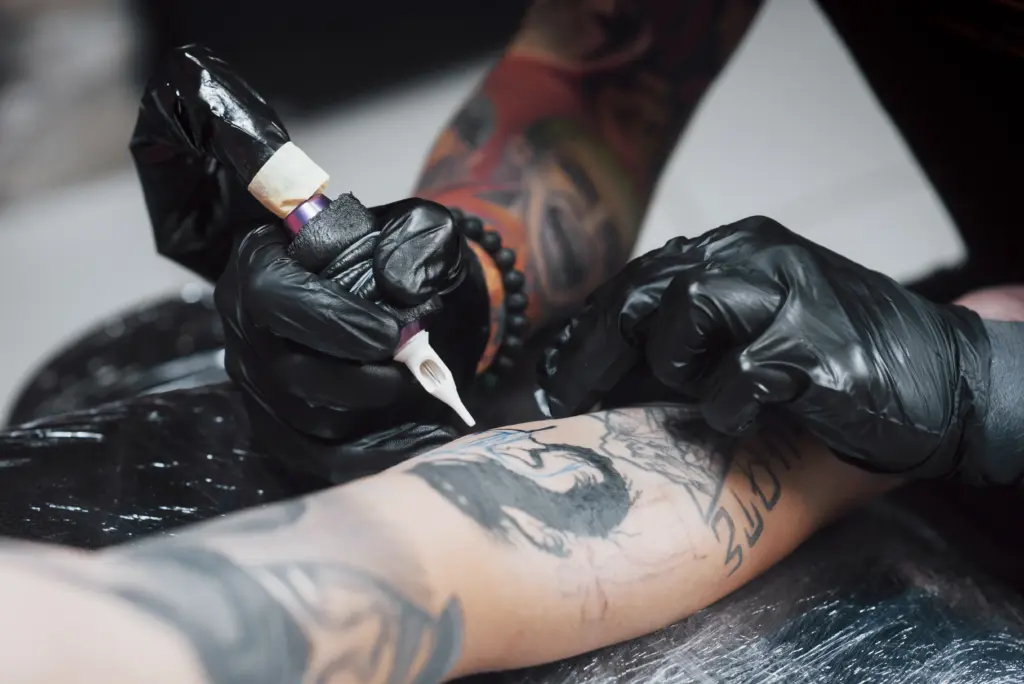
Cover-up tattooing relies heavily on design strategy. Instead of trying to remove the existing black visually, an artist may turn those dark sections into shadows, outlines, backgrounds, textures, or other elements of the new artwork. Color can then be introduced where the existing tattoo provides enough flexibility. This approach allows the new piece to redirect attention away from recognizable elements of the old design. Strong composition and contrast can make the previous tattoo much less noticeable even though its pigment remains in the skin.
A tattoo consultation can help determine whether an existing piece offers enough flexibility for the colors and design you have in mind. Seeing the tattoo directly gives an artist more information than a general description of it.

Which Colors Work Best Over Black Ink?
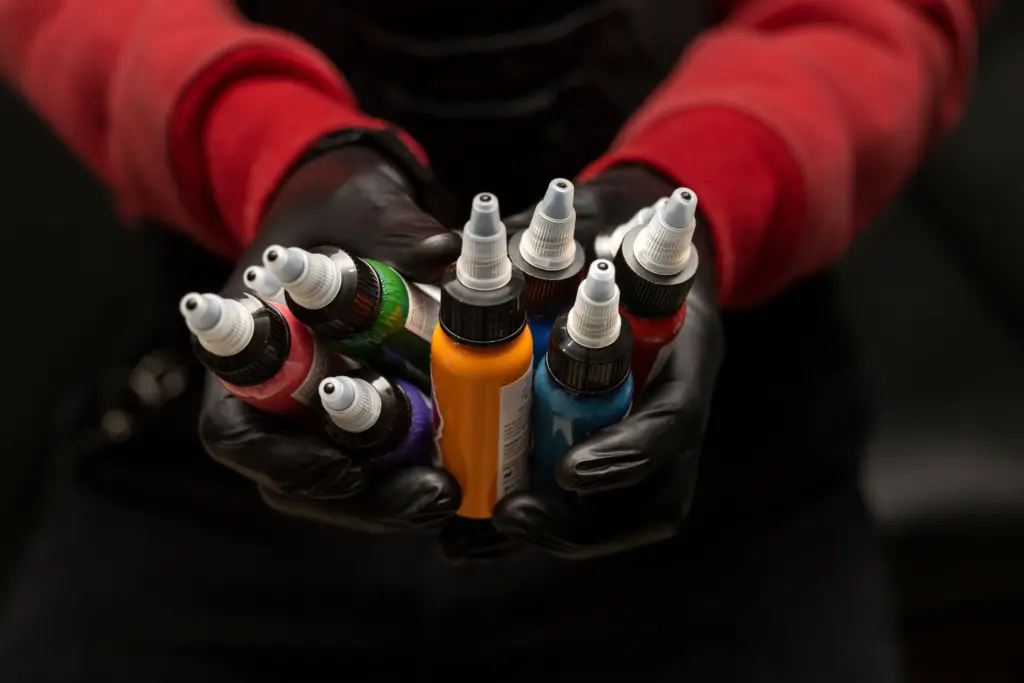
There is no single color that universally covers black tattoo ink. Darker and more saturated colors generally provide artists with greater flexibility than very pale shades. Deep blues, greens, purples, and other rich colors may become useful elements in certain cover-up designs. However, using a dark color does not automatically conceal every black area. The artist still needs to consider the original shapes, saturation, and placement. Some black sections may work better as intentional parts of the new tattoo rather than areas that need color placed directly over them.
Skin tone also affects how colors appear once a tattoo settles. Pigment is viewed through the skin rather than sitting on its surface. Your artist can select a palette based on both the existing tattoo and how the proposed colors are likely to function within the complete design.
Can White Ink Cover Black Tattoo Ink?
White ink is sometimes misunderstood as a simple solution for dark tattoos. It does not function like white paint applied over a black background. Adding white pigment does not restore an area of black tattooing to the appearance of untouched skin. An artist may use white strategically within certain designs, but that is different from completely concealing black. The same limitation applies to pigments intended to resemble skin tones. Matching a pigment to someone’s complexion does not make dense black tattoo ink disappear.
If your desired design requires considerably less visible black, discuss other options with your artist. They can explain whether redesigning around the black or considering professional tattoo lightening could provide a more suitable starting point.
Does an Older Black Tattoo Offer More Options?
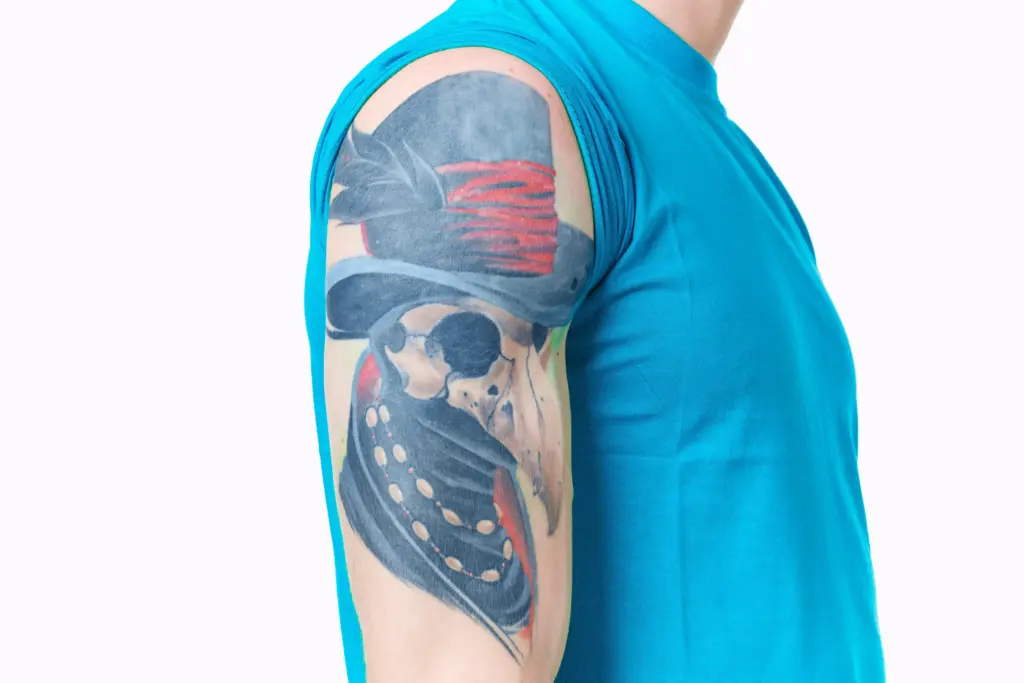
Older tattoos sometimes provide greater flexibility because black pigment can soften visually over time. However, age alone does not determine whether a tattoo will be easy to rework. Some old tattoos remain extremely dark, while others become noticeably lighter. Sun exposure can contribute to changes in tattoo appearance.
The American Academy of Dermatology notes that ultraviolet light can fade some tattoo inks. This does not mean deliberately exposing a tattoo to the sun is a safe or effective removal method. Sun protection remains important for tattooed skin. An artist will consider the tattoo’s current appearance rather than its age alone. Saturation, line thickness, available open skin, and the desired new artwork provide more useful information when planning a cover-up.
Why Cover-Up Designs May Need More Space
Trying to keep a new design within the exact dimensions of an old tattoo can severely limit an artist’s options. Additional space gives the artist room to introduce new shapes, color, shading, and visual focal points that draw attention away from the previous piece. The new tattoo does not always need to become dramatically larger. How much additional space is necessary depends on the original artwork. However, remaining flexible about size can produce more possibilities than insisting that every new line stay inside the old boundaries.
Constant Pressure Tattoo Co.’s tattoo services include custom tattooing and consultations, allowing clients to discuss how an existing piece could influence the size and structure of new artwork.
When Tattoo Lightening May Help
Dense black pigment can sometimes prevent a client’s preferred cover-up from working effectively. In these situations, professional tattoo lightening may create additional options. The goal does not always have to be complete removal. Reducing the visibility of specific dark sections could give a tattoo artist greater flexibility when planning future artwork. Laser tattoo procedures fall outside the role of a tattoo artist and require evaluation by an appropriately qualified provider.
Clients should seek professional guidance about suitability, risks, and expectations rather than attempting to lighten tattoos at home. Avoid acids, abrasive methods, unverified creams, and other DIY techniques promoted as tattoo removal solutions. Injuring the skin can make future tattoo work more complicated and may create additional concerns.
Choose the New Design Carefully
The design itself strongly influences the answer to can you tattoo color over black ink. Artwork with shadows, texture, substantial contrast, and darker elements often gives an artist more ways to incorporate existing pigment. A delicate design dominated by pale colors may provide fewer options over heavily saturated black. This does not necessarily mean abandoning the subject you want.
An artist may adjust its scale, orientation, background, colors, or composition while preserving the central idea. These changes can transform a concept that fights against the old tattoo into one that works with it. Reference images are useful during this process. Show your artist the overall aesthetic you prefer and remain open to technical adjustments that help the new tattoo function as a complete piece.
Allow Existing Tattoos to Settle Before Reworking Them
A recently completed tattoo should not immediately be treated like an old piece ready for a cover-up. The skin and tattoo need time to settle before an artist can properly evaluate the final appearance. If you are unhappy with recent work, contact your artist instead of immediately trying to cover it. Fresh tattoos can look different while the skin is recovering. Your artist can advise when the area is appropriate to evaluate for additional tattooing.
Constant Pressure Tattoo Co. also provides aftercare assistance for tattoo-related questions following an appointment. Any concerning skin reaction that may require medical attention should be evaluated by a qualified healthcare professional.
Conclusion
Can you tattoo color over black ink? Yes, color can sometimes become part of a successful rework or cover-up, but it cannot simply erase dense black pigment. Darker saturated colors generally offer more possibilities than pale shades, while the original tattoo’s age, saturation, size, and design determine how much flexibility an artist has. Successful results often incorporate existing black into the new artwork rather than trying to hide every dark section.
For clients considering a cover-up or tattoo rework in Melbourne, Florida, Constant Pressure Tattoo Co. offers professional tattooing and consultations. An artist can examine the existing tattoo, discuss your preferred colors and design, and determine which approach provides realistic options for creating a piece you will enjoy wearing.