
Getting your first tattoo can be exciting, but the thought of needles touching your skin may create some nervousness. You might wonder what the sensation feels like, which body areas are more sensitive, and whether you can handle a longer session. So, do tattoos hurt? Yes, tattooing generally causes some discomfort because needles repeatedly penetrate the skin to deposit pigment. However, the intensity varies considerably depending on placement, individual sensitivity, and the tattooing process.
Some people describe tattooing as scratching or stinging, while others experience a burning or vibrating sensation. Most people can manage the discomfort, although certain areas feel more sensitive than others. Understanding the factors that influence tattoo pain can help you prepare for your appointment without unnecessary anxiety.
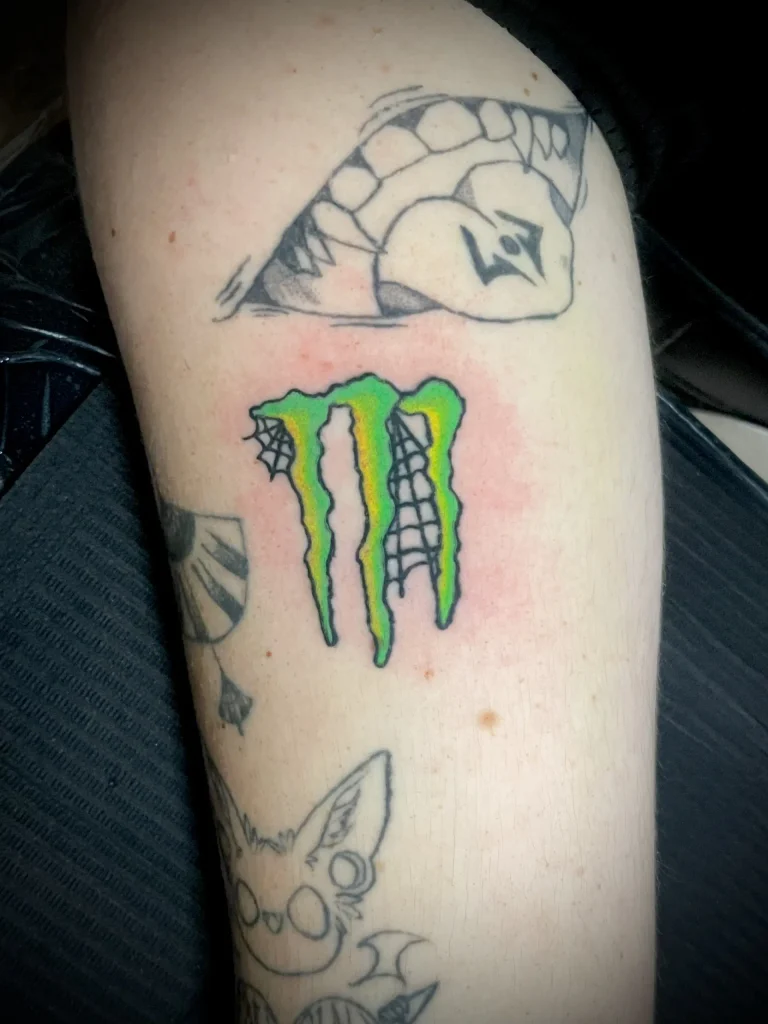
What Tattoo Pain Actually Feels Like
Tattoo pain does not feel identical for everyone. The sensation often resembles repeated scratching, sharp stinging, or a continuous vibration against the skin. Outlining may produce a sharper feeling because the artist creates defined lines with concentrated needle movements. Shading can feel different, particularly when the artist works repeatedly across the same area. Some people find shading easier, while others experience more discomfort as the session progresses.
When asking do tattoos hurt, remember that the sensation can change throughout an appointment. The beginning may feel manageable, but repeated work can make the skin increasingly sensitive. Your artist may take short breaks when appropriate, particularly during longer sessions. Communicating openly about discomfort helps maintain a comfortable working environment.
Factors That Influence Tattoo Pain
Several factors affect how painful a tattoo feels. Placement is particularly important because different body areas contain varying amounts of cushioning, nerve endings, and sensitive tissue. Tattoo size, design complexity, session length, and individual pain tolerance also contribute. A small symbol may require only a short appointment, while an extensive piece can involve several hours of repeated needle contact.
Physical condition can influence the experience as well. Fatigue, stress, hunger, and anxiety may make discomfort harder to manage. When considering do tattoos hurt, avoid assuming that another person’s experience predicts your own. Two people receiving similar tattoos may describe noticeably different pain levels.
Less Painful Areas for Getting a Tattoo
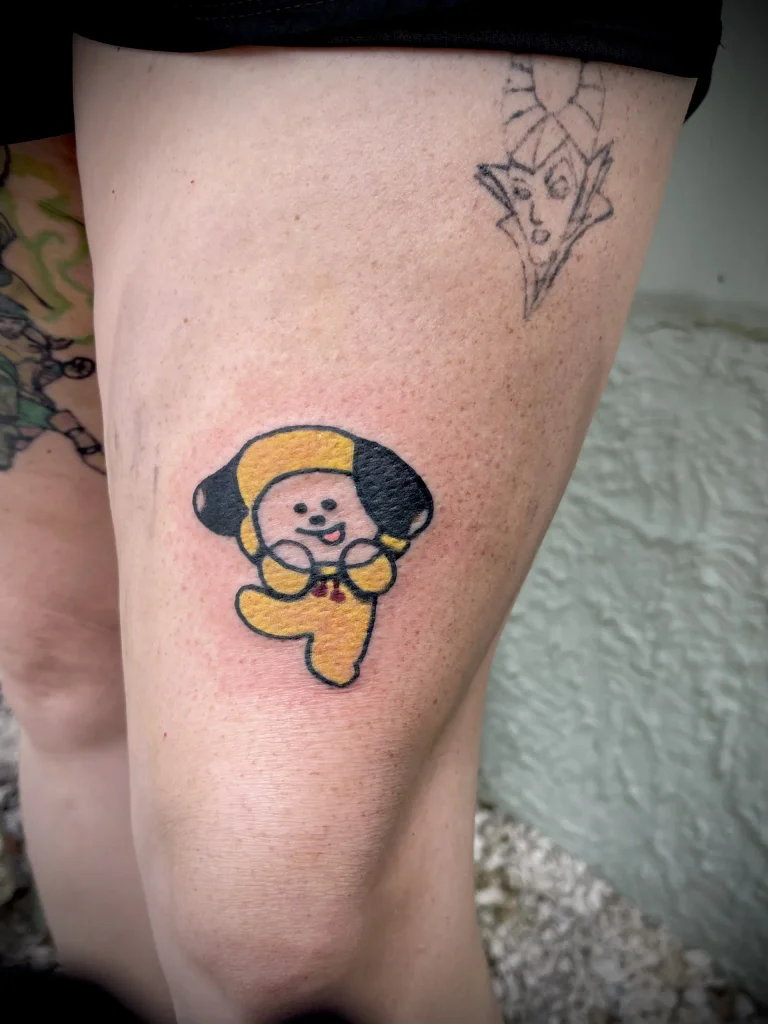
Areas with more muscle or fatty tissue often feel more manageable than locations directly over prominent bones. The outer upper arm, outer thigh, and some parts of the forearm are commonly considered relatively comfortable placements. These areas may provide more cushioning and allow the artist to work without repeatedly crossing highly sensitive joints or thin skin.
However, no placement guarantees a painless experience. Sensitivity varies between individuals, and even a generally comfortable area can feel unpleasant during a lengthy session. If you are getting your first tattoo, choosing a smaller design on an accessible area may help you become familiar with the sensation.
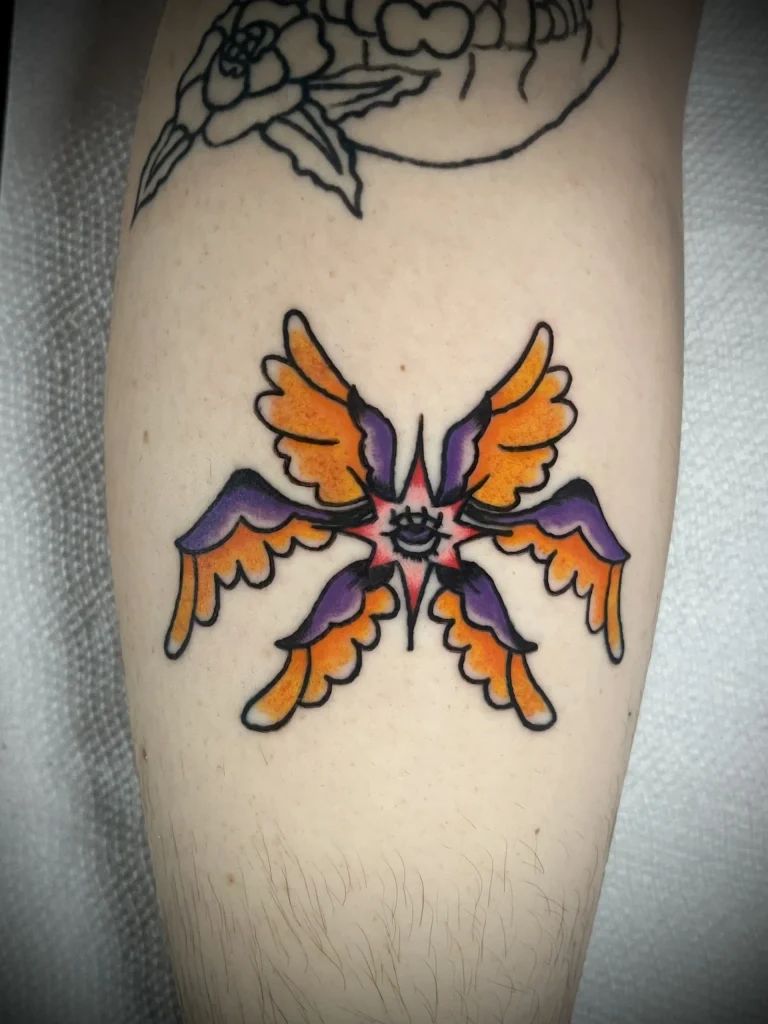
More Sensitive Tattoo Placement Areas
Ribs, sternum, spine, ankles, feet, and certain areas around joints are often described as more painful tattoo locations. These areas may have thinner skin, prominent bones, or greater sensitivity. The hands and fingers can also feel uncomfortable because of their complex anatomy and frequent movement. Tattooing near the inner arm or behind the knee may produce stronger sensations for some individuals.
When discussing do tattoos hurt in sensitive areas, remember that pain rankings are subjective. A placement that feels intense to one person may be manageable for another. Your artist can explain the practical challenges associated with your preferred location and help you prepare for the appointment.
Tattoo Pain During Outlining and Shading
Outlining and shading involve different needle movements, which can create different sensations. Outlining often feels sharper because the artist follows specific lines with concentrated strokes. Shading may feel more like scratching, brushing, or repeated pressure across a broader area. Color packing can also create additional sensitivity when the artist works extensively within the same section.
Neither technique is universally more painful. Some people find outlining more uncomfortable, while others struggle with prolonged shading. The amount of time spent on one area often matters as much as the technique itself. Taking appropriate breaks can help during extensive sessions.
First Tattoo Pain and Expectations
First-time clients often feel nervous because they have no previous experience with tattoo needles. The anticipation can sometimes feel more intimidating than the actual procedure. Once tattooing begins, you can better understand the sensation and communicate with your artist about how you are feeling. Starting with a manageable design can make the experience less overwhelming.
If you are wondering do tattoos hurt during your first appointment, expect some discomfort rather than assuming the procedure will be painless. Reviewing the portfolios of experienced tattoo artists can help you choose someone whose work matches your preferred style. Clear communication about placement, design size, and appointment length also helps establish realistic expectations.
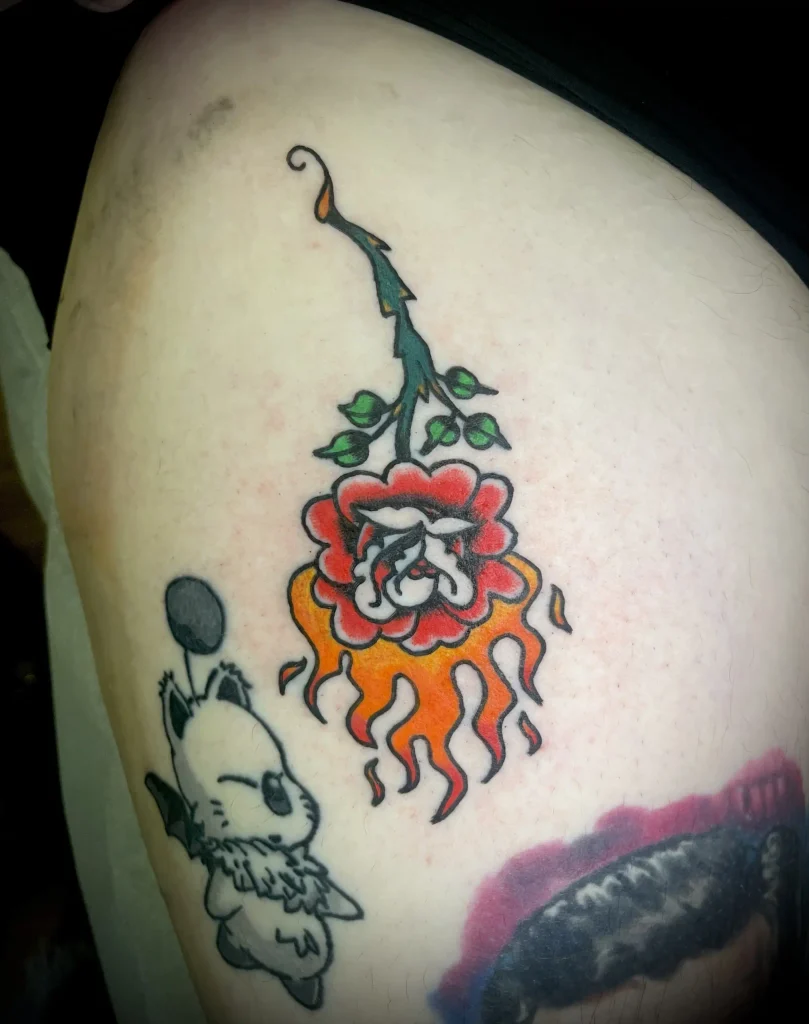
The Effect of Tattoo Size and Session Length
Larger tattoos often involve longer appointments, which can make discomfort more noticeable over time. A small design may finish before the area becomes particularly sensitive. Full sleeves, detailed portraits, and extensive back pieces can require several hours or multiple sessions. Repeated work across the skin may gradually increase tenderness and fatigue.
When considering do tattoos hurt more during longer sessions, the answer often depends on individual tolerance and the amount of work performed. Some people remain comfortable for several hours, while others prefer shorter appointments. Discussing session length beforehand allows you to plan appropriately.
Preparing Your Body Before a Tattoo Appointment
Good preparation can make the tattoo experience easier to manage. Get adequate sleep, eat a normal meal beforehand, and maintain your usual hydration. Wear comfortable clothing that provides access to the tattoo area. Avoid arriving under the influence of alcohol or recreational drugs, as impaired judgment and communication can create additional concerns during tattooing.
Bring any identification or appointment information your studio requires. If you have a medical condition, take medication that affects bleeding, or have concerns about skin reactions, consult an appropriate healthcare professional before your appointment. Never stop prescribed medication simply to prepare for a tattoo.
Managing Discomfort During Tattooing
Relaxed breathing, comfortable positioning, and clear communication can help you manage tattoo discomfort. Try to remain still while the artist works, but speak up if you feel faint, unusually uncomfortable, or need a break. Listening to music or having a calm conversation may provide a useful distraction when permitted by the studio.
Understanding do tattoos hurt also involves recognizing your personal limits. There is no benefit in hiding severe discomfort or pushing through symptoms such as dizziness. Your artist can pause when necessary and discuss whether continuing the session is appropriate. A professional tattoo experience should prioritize communication and responsible decision-making.
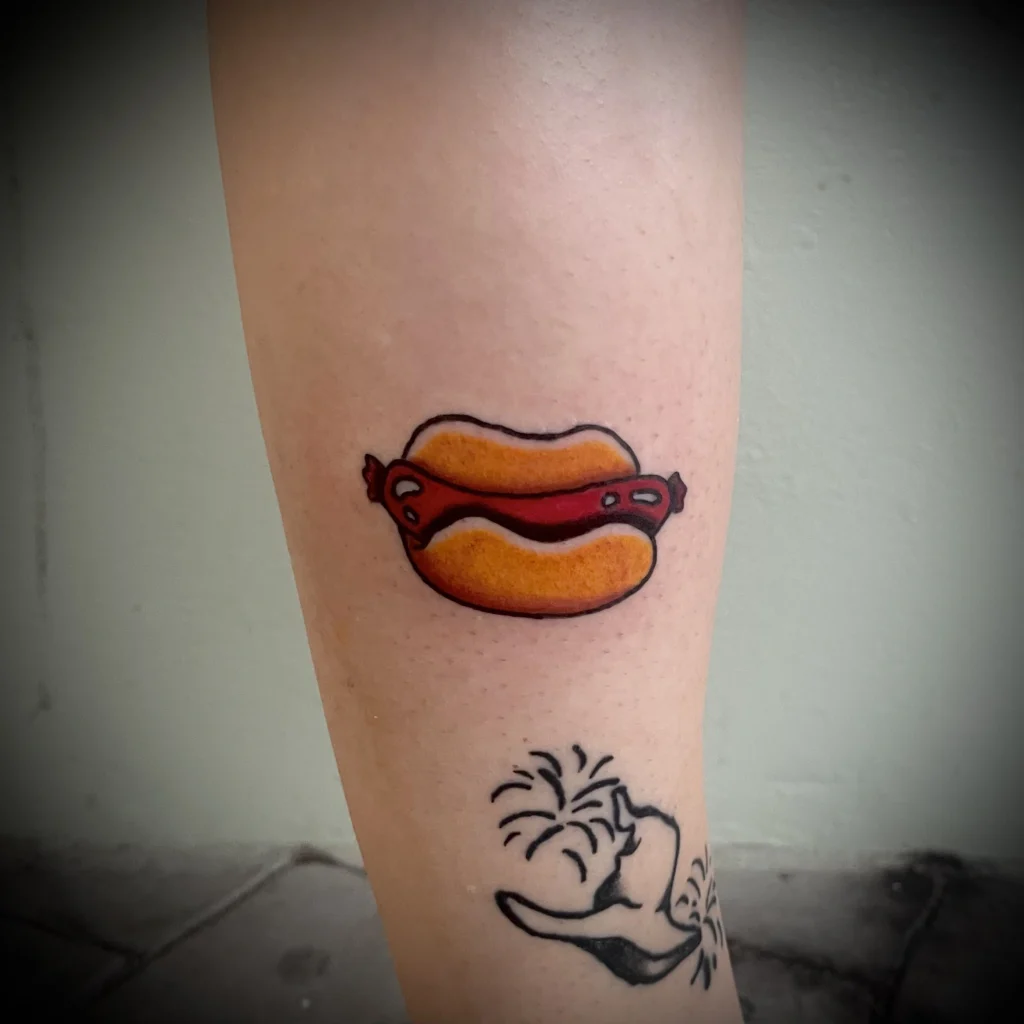
Numbing Creams and Tattoo Pain Relief
Some clients consider topical numbing products before tattooing. However, these products vary in formulation, strength, and suitability. Certain numbing creams can cause skin irritation or interfere with the tattooing process. Products containing high concentrations of local anesthetics may also present serious health risks, particularly when applied excessively or covered over large areas.
The U.S. Food and Drug Administration has warned consumers about certain topical pain relief products marketed for cosmetic procedures. Discuss numbing products with your artist and a qualified healthcare professional before using them. Never assume that a product advertised specifically for tattoos is automatically safe.
Pain and Tenderness After Getting Tattooed
Discomfort does not necessarily end immediately after the appointment. Fresh tattoos commonly feel tender, warm, or mildly swollen during the initial healing period. These sensations should generally improve as the skin recovers. Larger tattoos and heavily worked areas may remain sensitive longer than small designs. Follow your artist’s aftercare instructions to protect the healing skin.
When asking do tattoos hurt after the session, distinguish expected tenderness from concerning symptoms. Increasing pain, spreading redness, significant swelling, fever, or unusual discharge may indicate a complication. Seek medical attention if these symptoms develop rather than attempting to manage a possible infection with home remedies.
Choosing a Design That Suits Your Comfort Level
Design selection can influence appointment length and the amount of tattooing required. Simple outlines and smaller compositions generally take less time than intricate designs with extensive shading. If pain concerns you, consider starting with artwork that can be completed in a shorter session. Your artist can recommend appropriate dimensions without compromising the central concept.
Exploring original tattoo artwork can provide inspiration for designs that suit your preferred placement and level of detail. A thoughtful design allows you to balance artistic preferences with practical considerations, including the expected duration of the appointment.
Conclusion
So, do tattoos hurt? Yes, tattooing typically involves some pain, but the intensity varies with placement, design size, session length, and individual sensitivity. Areas with more cushioning may feel easier to tolerate, while locations near prominent bones or sensitive tissue can be more uncomfortable. Proper preparation, realistic expectations, and communication with your artist can make the experience more manageable.
For professional tattooing in Melbourne, Florida, Constant Pressure Tattoo Co. offers custom artwork and experienced tattoo artists. Whether you are planning your first tattoo or adding another piece, choosing a suitable design and discussing your concerns beforehand can help you approach your appointment with greater confidence.