
An old tattoo does not always reflect your current style, interests, or personal preferences. Perhaps the original artwork has faded, the design no longer feels meaningful, or the quality never met your expectations. Fortunately, a carefully planned cover-up can transform unwanted ink into artwork you feel more comfortable wearing. Learning how to cover up an old tattoo with new design starts with understanding the existing tattoo’s size, colors, placement, and condition. These factors determine which creative options are realistic.
Cover-up tattooing requires more planning than working on untouched skin. Existing pigment influences the new composition, and certain colors cannot completely conceal darker ink. However, an experienced artist can incorporate old lines and shading into a different design. The goal is to create cohesive artwork rather than simply placing another image over the original tattoo.
Assessing the Existing Tattoo Before a Cover-Up
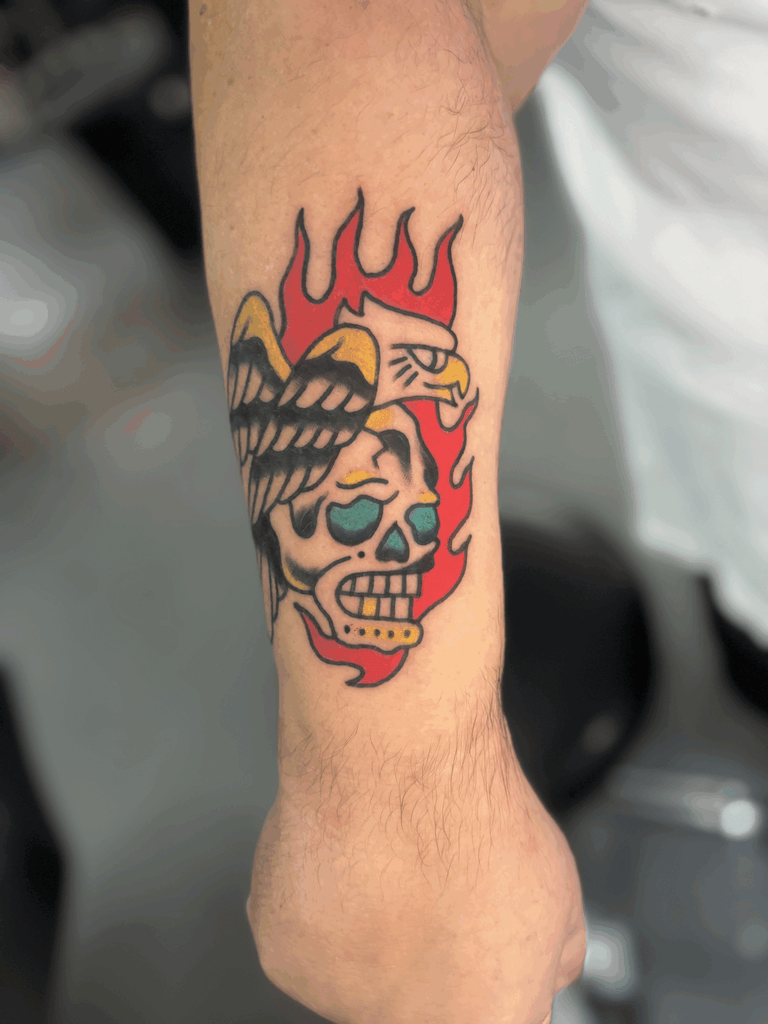
The first step in how to cover up an old tattoo with new design is evaluating the artwork already on your skin. Your artist will examine its dimensions, pigment saturation, colors, line thickness, and placement. A faded tattoo with thin outlines may offer more flexibility than a heavily saturated black design. Existing scars or changes in skin texture can also affect the available options.
Consider which elements you want to conceal and whether any parts could remain within the new composition. Some tattoos require a completely different subject, while others can be transformed through additional shading and background details. A professional assessment helps establish realistic expectations before design work begins.
Choosing a Suitable Cover-Up Design
Successful cover-ups rely on designs that work with existing pigment rather than ignoring it. Floral arrangements, animals, ornamental patterns, and illustrative compositions can provide opportunities to incorporate darker areas. However, no particular subject guarantees successful coverage. The best design depends on the shapes and density of the original tattoo.
When planning how to cover up an old tattoo with new design, remain flexible about the artwork’s composition. An artist may recommend changing the orientation, adding background elements, or selecting a larger subject. These adjustments help redirect attention from the original tattoo while maintaining a balanced appearance.
The Importance of Tattoo Size and Placement
Cover-up tattoos often need to extend beyond the original design. Additional space allows the artist to introduce new outlines, shading, and visual details without following the old tattoo’s boundaries. Attempting to conceal a large, dark tattoo with a smaller design can significantly restrict the available options.
Placement also influences the final composition. Artwork wrapping around an arm or leg requires different planning than a design on the shoulder or back. Understanding how to cover up an old tattoo with new design includes accepting that additional space may improve the result. The artist can determine suitable dimensions based on the existing artwork.
Using Colors and Shading to Conceal Old Ink
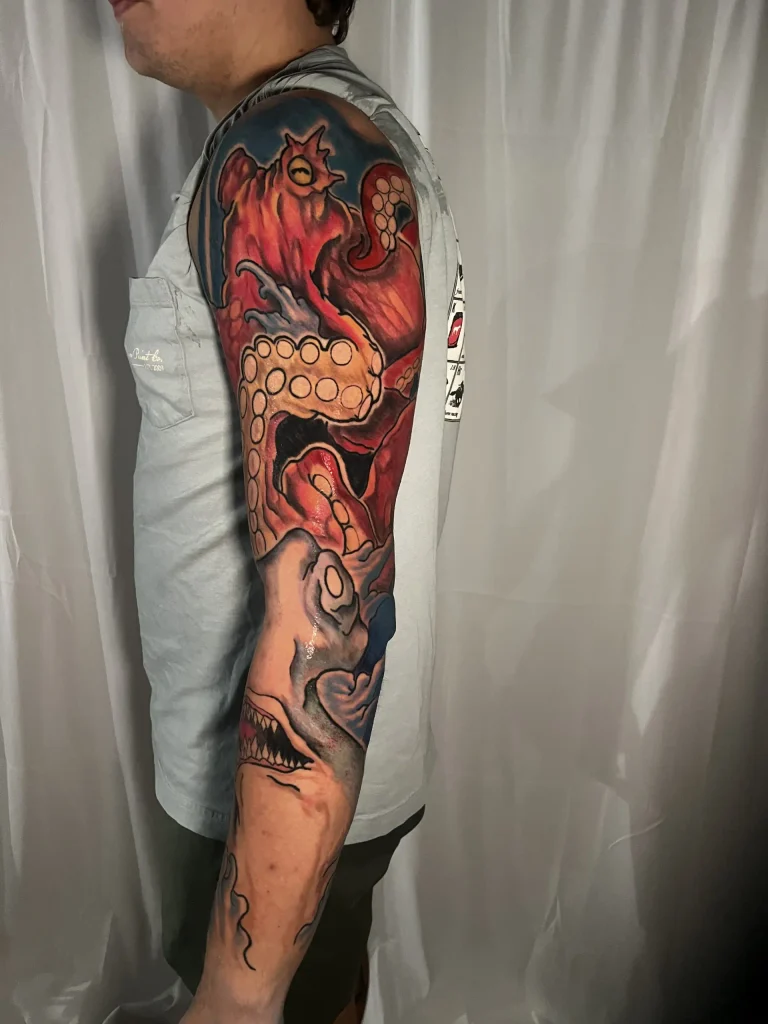
Color selection is especially important during cover-up tattooing. Darker, saturated pigments may help incorporate existing ink into new artwork. Black shading can become part of a background, while deep blues, greens, or purples may suit certain compositions. However, adding colored pigment does not automatically eliminate the appearance of black ink underneath.
White ink and pale colors cannot reliably cover solid black tattoos. Tattoo pigment remains within the skin, so new colors do not behave like opaque paint. When considering how to cover up an old tattoo with new design, artists must work within these limitations. Strong contrast and thoughtful shading often matter more than simply choosing darker colors.
Cover-Up Options for Black and Gray Tattoos
Black-and-gray tattoos can provide opportunities for creative redesigns, particularly when the original shading has softened over time. An artist may incorporate existing dark sections into shadows, textures, or background elements. Fine outlines can sometimes become part of larger shapes, reducing the visibility of the original image.
Dense blackwork presents greater challenges because heavily saturated areas limit color flexibility. A new design may need substantial dark sections to accommodate the original pigment. Rather than promising complete concealment, a skilled artist will explain which parts can be incorporated and whether alternative approaches might produce a better result.
Transforming Faded and Older Tattoos
Older tattoos sometimes offer greater flexibility because their outlines and colors have become less prominent. Fading may allow an artist to introduce new elements without relying on extensive dark shading. However, tattoo age alone does not determine cover-up difficulty. Some decades-old tattoos remain strongly saturated, while newer designs may already appear relatively light.
Understanding how to cover up an old tattoo with new design requires evaluating its current appearance rather than relying on age. Skin condition, pigment density, and available space matter more than the number of years since the original appointment. An artist can assess these details during the planning stage.
Laser Lightening Before a Cover-Up
Some tattoos contain too much dark pigment for the desired cover-up design. In these situations, professional laser lightening may create additional possibilities. The objective is not necessarily complete tattoo removal. Reducing selected dark areas can give the tattoo artist more freedom when developing the new composition.
Laser treatment requires evaluation by an appropriately qualified medical provider. Results vary, and potential complications include changes in pigmentation and scarring. Avoid attempting removal with acids, abrasive products, or unverified creams. These methods can injure the skin and complicate future tattooing. Allow adequate healing before considering new artwork.
Working With an Experienced Tattoo Artist
Cover-up tattooing requires technical judgment and creative problem-solving. An experienced artist understands how existing pigment affects new lines, shading, and composition. Reviewing examples of completed cover-ups can help you evaluate an artist’s approach to transforming unwanted artwork. Look for designs that appear cohesive rather than simply darker than the originals.
When exploring how to cover up an old tattoo with new design, communication is essential. Share your preferred subject, style, colors, and placement expectations. You can review the work of professional tattoo artists to explore artistic approaches before discussing your project. A consultation allows the artist to examine the tattoo and recommend realistic design options.
Preparing Your Skin for Cover-Up Tattooing
Healthy skin provides a better starting point for additional tattoo work. Avoid unnecessary irritation, harsh exfoliation, and excessive sun exposure before your appointment. If the original tattoo is relatively recent, allow it to heal completely before discussing a cover-up. Tattooing over skin that remains irritated or damaged can create additional complications.
The U.S. Food and Drug Administration provides information about tattoo inks and potential health risks through its tattoo safety fact sheet. Understanding these considerations is useful when planning additional tattooing. If you have unusual skin reactions, persistent inflammation, or concerning scars, seek appropriate medical guidance before proceeding.
Cover-Up Tattoo Costs and Session Planning
Cover-up tattoos may cost more than similarly sized designs on untouched skin because they often require additional planning and detailed execution. Pricing depends on the artwork’s complexity, size, color requirements, and the artist’s rates. Large projects may require multiple appointments to complete the outlines, shading, and background elements.
When budgeting for how to cover up an old tattoo with new design, consider the complete project rather than a single session. Discuss the estimated appointment length and possible number of sessions with your artist. Additional laser lightening, if necessary, involves separate medical treatment expenses. Clear expectations help you plan without rushing the process.
Aftercare and Long-Term Cover-Up Appearance
A cover-up tattoo requires the same careful attention to healing as other fresh tattoos. Follow your artist’s instructions for cleaning, dressing removal, and moisturizing. Avoid picking at peeling skin, scratching the area, or exposing the healing tattoo to unnecessary friction. Swimming and prolonged soaking should wait until the skin has healed appropriately.
Once healed, protecting the artwork from excessive sunlight can help maintain its appearance. Color and contrast may gradually change over time, just as they do with other tattoos. Proper skin care cannot guarantee that every detail remains unchanged, but it can help protect the new artwork from avoidable environmental damage.
Conclusion
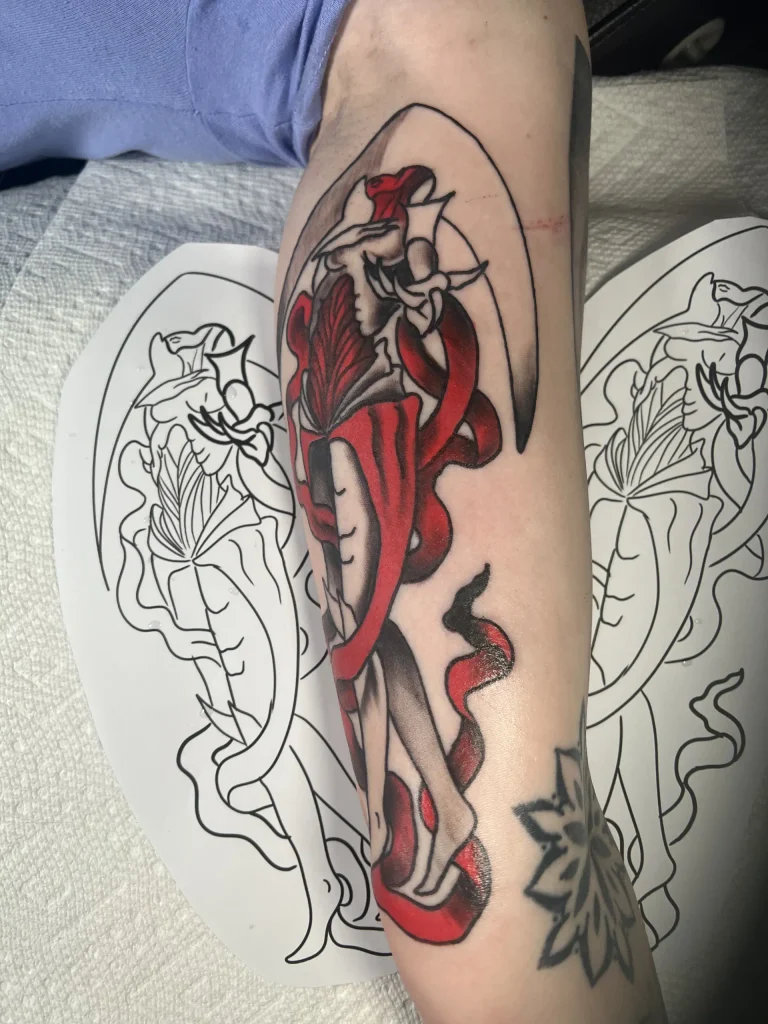
Learning how to cover up an old tattoo with new design involves more than selecting attractive artwork. The original tattoo’s size, pigment density, colors, and placement influence what an artist can create. A successful cover-up uses thoughtful composition, suitable shading, and realistic expectations to transform unwanted ink into a cohesive design. Some projects may also benefit from professional laser lightening before tattooing.
For custom cover-up tattoos in Melbourne, Florida, Constant Pressure Tattoo Co. offers professional tattooing and artistic guidance. Whether you want to transform a faded design or replace artwork that no longer suits your style, the studio can help you explore creative possibilities for your next tattoo.