
A tattoo may look sharp and vibrant when it first heals, but its appearance can gradually change over the years. Colors may become softer, fine lines can lose definition, and the surrounding skin develops new textures. If you are wondering how do tattoos change with age, the answer involves both the tattoo pigment and the natural aging process of your skin. These changes vary depending on placement, ink composition, sun exposure, and individual skin characteristics.
Some tattoos remain recognizable for decades, while others lose their original detail sooner. Understanding how do tattoos change with age can help you choose artwork thoughtfully and protect existing tattoos. Although no tattoo remains completely unchanged forever, appropriate skin care and careful design choices can support its long-term appearance.
The Natural Aging Process of Tattooed Skin
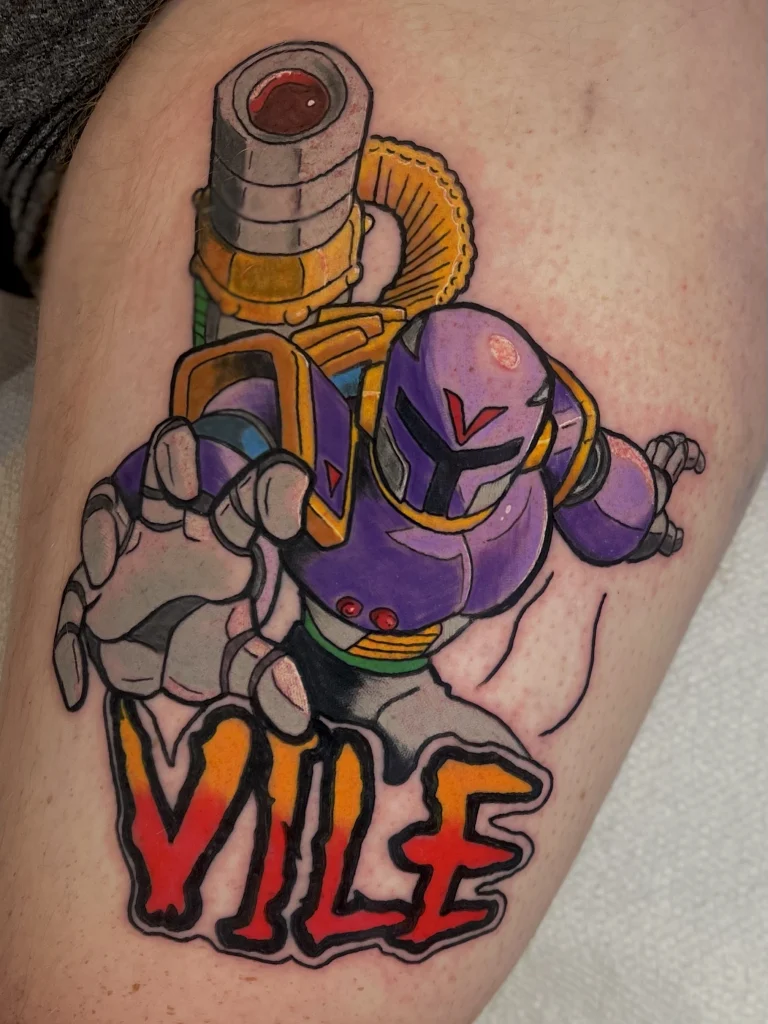
Skin gradually changes as the body ages. Collagen and elastin levels decline, affecting firmness and elasticity. Wrinkles, thinning, and changes in skin texture can influence how tattoo artwork appears. Since tattoo pigment sits within the dermis, the design follows the skin as its structure changes. Previously smooth lines may appear different when the surrounding skin becomes less firm.
When considering how do tattoos change with age, it is important to distinguish changes in skin structure from pigment changes. A tattoo may retain substantial color while appearing different because of wrinkles or changes in body contours. Genetics, lifestyle, and environmental exposure influence these developments.
Gradual Fading of Tattoo Colors
Tattoo pigments can gradually lose some of their original intensity. Ultraviolet exposure contributes to fading, particularly when tattoos receive frequent direct sunlight. The body’s ongoing response to tattoo pigment may also influence its appearance over time. Different colors can change at different rates, making some parts of a design appear softer than others.
Black ink often maintains recognizable contrast for many years, although it can gradually become less intense. Certain bright colors may show more noticeable fading. However, no pigment has a guaranteed lifespan. Ink composition, application technique, skin characteristics, and sun exposure all affect how a tattoo develops.
Changes in Fine Lines and Small Details
One important aspect of how do tattoos change with age involves line definition. Tattoo pigment may gradually spread or become less sharply defined within the skin. Fine lines can appear slightly wider, while closely spaced details may become harder to distinguish. Small lettering and intricate patterns are particularly sensitive to changes in line clarity.
This does not mean every fine-line tattoo will become unreadable. Proper spacing, suitable design dimensions, and experienced application can support long-term readability. An artist may recommend increasing the size of delicate artwork to provide enough room for important details.
Sun Exposure and Long-Term Tattoo Appearance
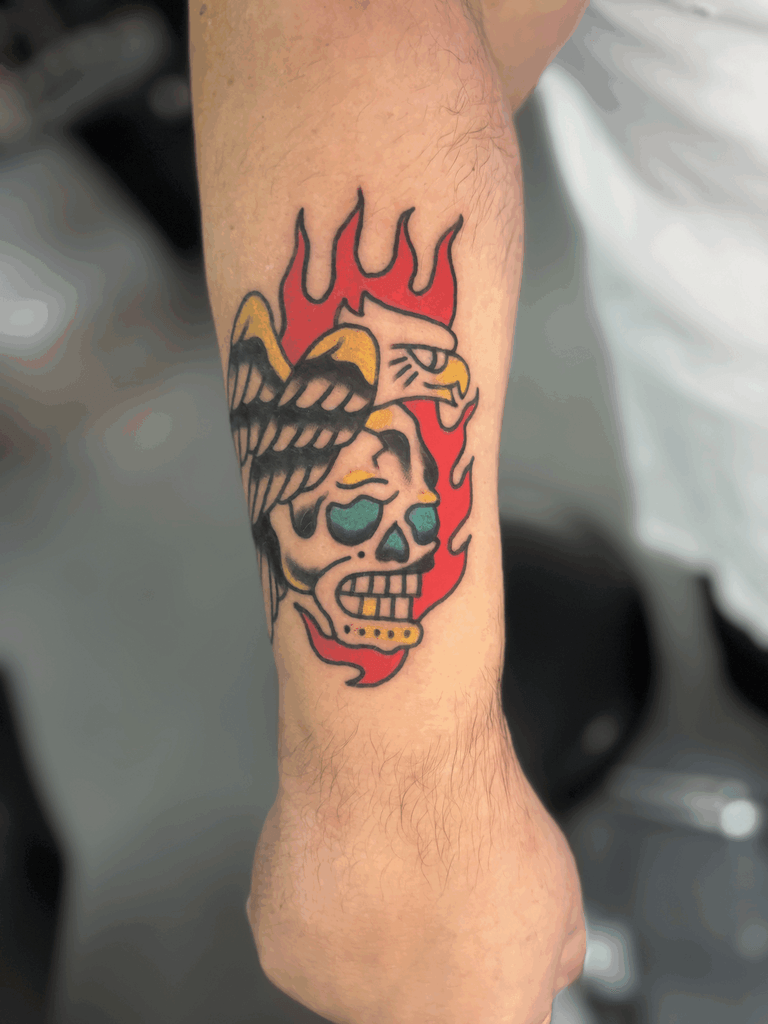
Sunlight is a major environmental factor affecting tattoo appearance. Ultraviolet radiation can contribute to pigment fading while also accelerating visible skin aging. Tattoos on the hands, forearms, shoulders, and other exposed areas may experience more sunlight than designs usually covered by clothing.
The U.S. Environmental Protection Agency explains that ultraviolet radiation contributes to premature skin aging, wrinkles, and other skin damage. Protecting healed tattoos with broad-spectrum SPF 30 or higher sunscreen, protective clothing, and shade can help limit unnecessary sun exposure. These precautions support healthier skin and may help preserve tattoo appearance over time.
Skin Stretching and Changes in Body Shape
Changes in body weight, muscle development, pregnancy, and natural aging can affect tattoo proportions. As the skin stretches or relaxes, the artwork moves with it. Designs across the abdomen, upper arms, thighs, and other areas may appear different after substantial changes in body size.
When exploring how do tattoos change with age, remember that stretching does not automatically ruin the artwork. Many tattoos remain recognizable despite changes in body contours. The amount of visible distortion depends on placement, design structure, and how much the surrounding skin changes.
The Importance of Tattoo Placement
Tattoo placement influences exposure to sunlight, friction, movement, and skin changes. Hands and fingers experience frequent washing and physical contact. Tattoos near joints encounter repeated stretching, while designs on covered areas may receive less direct sunlight. These differences can influence how artwork looks over time.
Placement should therefore be part of the original design discussion. Reviewing the work of experienced tattoo artists can help you explore different approaches to composition and placement. An artist can recommend adjustments that suit the body’s natural shape.
Black and Gray Tattoos Compared With Color Tattoos
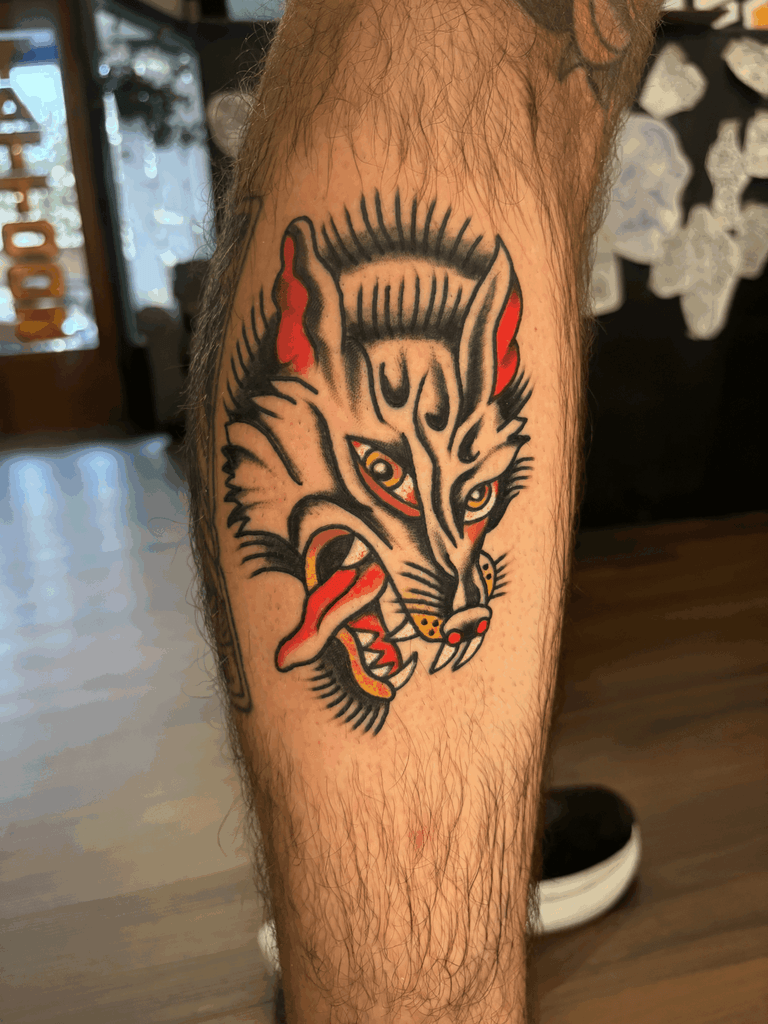
Both black-and-gray and color tattoos can remain attractive for decades. Black ink generally creates strong contrast, making many designs recognizable even after some softening occurs. However, delicate black lines and subtle gray shading can still lose definition over time.
Color tattoos introduce additional considerations because pigments may fade differently. When asking how do tattoos change with age, it is more useful to consider the complete design than assume one style always lasts longer. Color selection, contrast, placement, and application quality all influence the result.
Tattoo Appearance After Twenty or Thirty Years
Older tattoos may show softer outlines, reduced color intensity, and changes caused by wrinkles or skin texture. Some remain highly recognizable, while others lose considerable detail. There is no universal timeline that predicts when a tattoo will begin looking noticeably different.
Photographs of aged tattoos can offer useful examples, but individual results vary. Ink composition, skin condition, sun exposure, and application technique create different outcomes. Understanding how do tattoos change with age means recognizing that two similar designs may develop differently over several decades.
Professional Touch-Ups for Older Tattoos
Some older tattoos benefit from professional touch-ups. An artist may reinforce faded outlines, refresh selected colors, or adjust shading. However, additional pigment cannot reverse every change. Significantly blurred details may require redesigning rather than simply tracing the original lines.
The condition of the skin matters before additional tattooing. Thin, fragile, or irritated skin may require special consideration. Suspicious skin changes should receive appropriate medical evaluation before tattoo work proceeds. A professional assessment helps determine whether a touch-up is suitable.
Choosing Designs That Age Gracefully
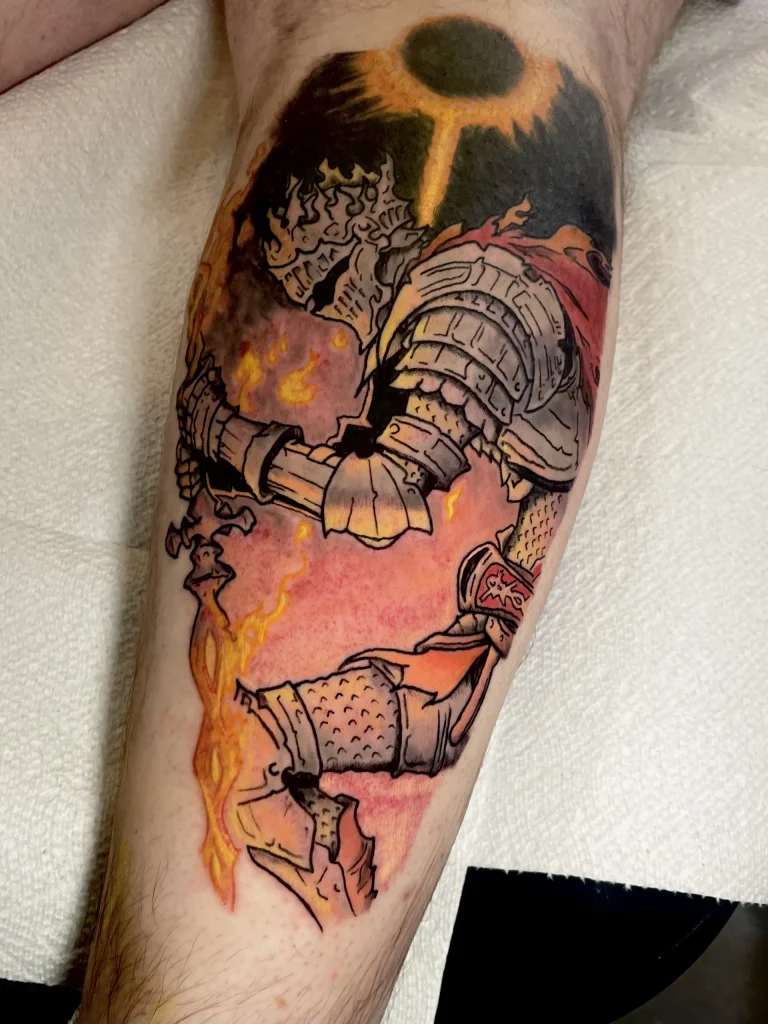
Thoughtful design planning can support long-term readability. Clear outlines, balanced contrast, and adequate spacing between details help artwork remain recognizable as the skin changes. Extremely small lettering and tightly packed patterns may become harder to distinguish if lines soften.
Original artwork gives artists room to adapt a design to its intended placement. Exploring original tattoo artwork can provide inspiration for balanced compositions and distinctive designs. Choosing appropriate dimensions is often more important than fitting every detail into the smallest possible space.
Daily Skin Care for Aging Tattoos
Protecting healed tattoos from excessive sunlight is one of the most practical ways to maintain their appearance. Regular moisturizing can also help dry skin look smoother, although it cannot restore pigment that has already faded. Gentle skin care and avoiding unnecessary irritation support the condition of tattooed skin.
Understanding how do tattoos change with age also requires realistic expectations. No lotion or treatment can completely stop natural skin aging. Products promising permanent color restoration without additional tattooing should be approached cautiously. Consistent sun protection remains a sensible long-term habit.

Conclusion
So, how do tattoos change with age? Most tattoos gradually experience some combination of fading, softer outlines, and changes caused by natural skin aging. Placement, ink composition, sun exposure, and design complexity influence how noticeable these changes become. Choosing suitable artwork and protecting your skin can help maintain tattoo clarity for years.
For custom tattoo designs in Melbourne, Florida, Constant Pressure Tattoo Co. offers professional tattooing and artistic guidance. Whether you are planning your first tattoo or considering new artwork, thoughtful design choices can help create a piece that remains meaningful as your skin changes over time.