
A fresh tattoo goes through several changes before the skin fully recovers. Redness, tenderness, peeling, and itching can appear at different stages. If you recently got tattooed, you may wonder how long does it take for a tattoo to heal. Most tattoos need approximately two to four weeks for surface healing, although deeper skin recovery can continue for several months. The exact timeline depends on tattoo size, placement, skin condition, and aftercare habits.
Knowing what happens during recovery helps you protect your new artwork. It also makes it easier to recognize normal healing changes and symptoms that require medical attention.
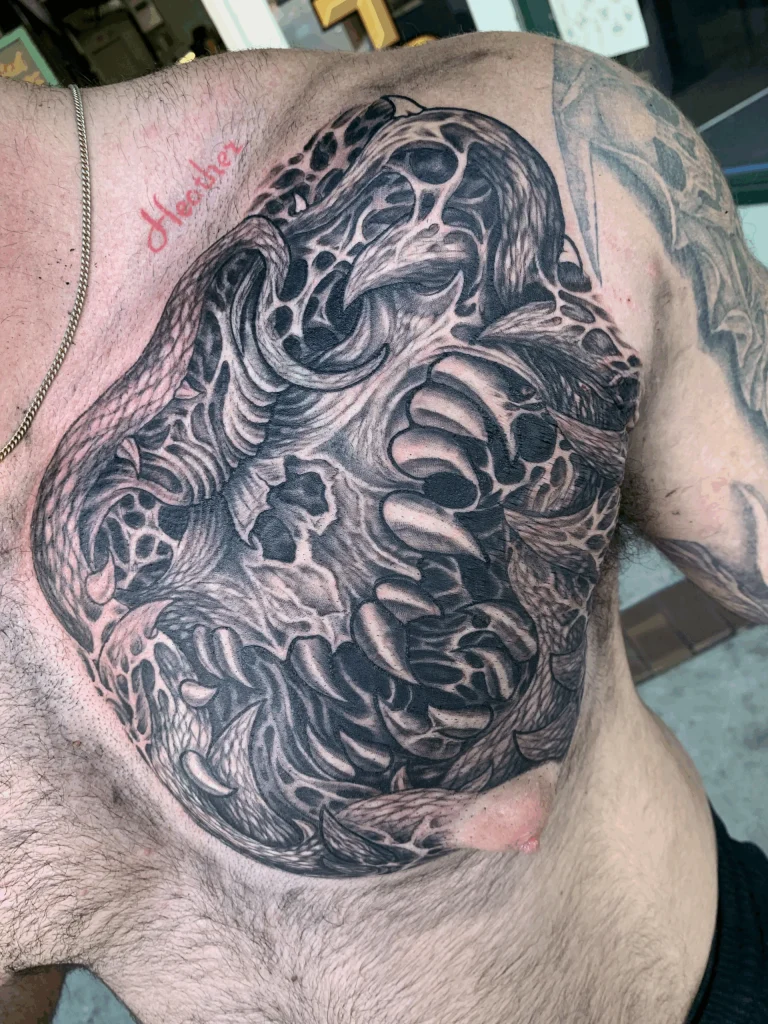
How Long Does It Take for a Tattoo to Heal Completely?
The visible surface of a tattoo generally heals within two to four weeks. During this period, the skin repairs itself after the tattooing process. Initial redness and tenderness gradually decrease, followed by dryness, itching, and peeling. However, the skin beneath the surface may continue recovering after these visible symptoms disappear. Complete recovery can take several months, depending on individual circumstances.
When considering how long does it take for a tattoo to heal completely, remember that appearance does not tell the whole story. A tattoo may look smooth while deeper recovery continues. Avoid rushing into activities that could irritate the area simply because the peeling has stopped.
What Happens During the First Three Days?
The first three days involve the initial healing response. Your tattoo may feel warm, tender, or slightly swollen. Mild redness is common, and small amounts of clear fluid or excess ink may appear. These symptoms should generally begin improving rather than becoming progressively worse. Your artist will explain how to manage the initial dressing and when to begin cleaning the tattoo.
Keep the area clean according to your artist’s instructions. Avoid unnecessary touching, and wash your hands before performing aftercare. Increasing pain, spreading redness, fever, or pus-like drainage requires medical attention.
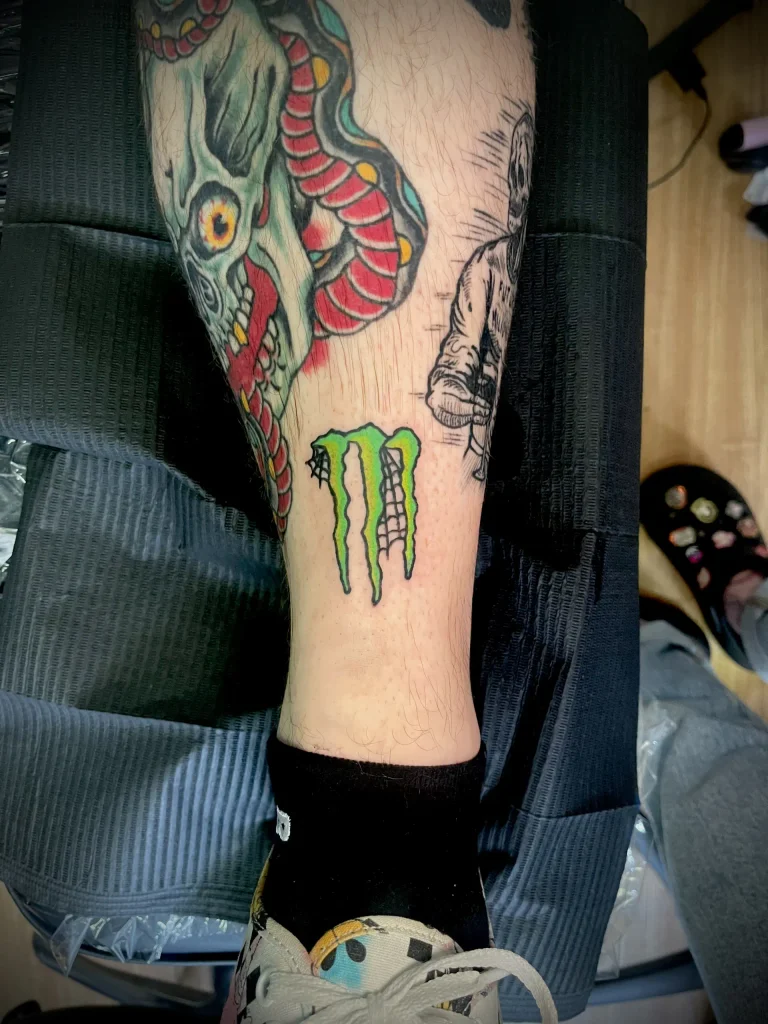
How Does a Tattoo Heal During the First Week?
During the first week, the skin gradually moves from initial tenderness toward dryness and peeling. Light flaking may begin as the outer skin renews itself. Some tattoos develop thin scabs, while others peel without noticeable scabbing. Mild itching can also occur. These changes vary between individuals, so your tattoo may not follow an identical schedule.
Avoid scratching or pulling away loose skin. Removing scabs prematurely can damage healing tissue and affect the tattoo’s appearance. Follow the cleaning and moisturizing routine your artist recommends. Use a light application of the recommended product rather than covering the area with excessive moisturizer.
What Happens During Weeks Two and Three?
During the second and third weeks, many tattoos begin looking noticeably more settled. Peeling usually decreases, and the skin gradually becomes less sensitive. Some areas may still feel dry or itchy, particularly around larger designs or frequently moving joints. The tattoo may temporarily appear slightly dull as the outer skin continues recovering. These changes usually improve as the surface settles.
Continue protecting the tattoo from unnecessary friction and irritation. Choose comfortable clothing and avoid scratching remaining dry patches. Although the artwork may look healed, deeper recovery can still be underway. Follow your artist’s guidance before returning to activities that expose the area to prolonged soaking or repeated rubbing.
What Happens After Four Weeks?
By the fourth week, many tattoos have completed their initial surface healing. Peeling has usually stopped, tenderness has decreased, and the skin feels closer to normal. However, larger tattoos or heavily worked areas may require additional time. The deeper layers of skin can continue recovering for several months, even when the surface looks healthy.
Understanding how long does it take for a tattoo to heal also means recognizing individual differences. Some people recover faster than others. Persistent irritation, unusual tenderness, or worsening symptoms should not be dismissed simply because several weeks have passed.
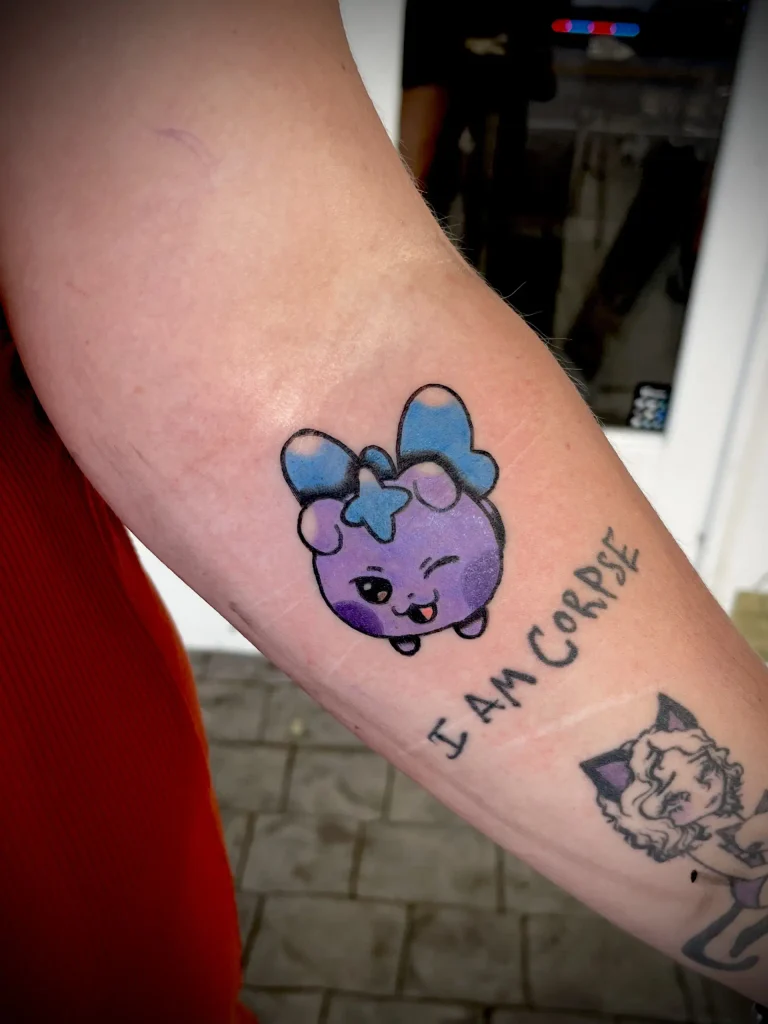
Does Tattoo Size Affect Healing Time?
Tattoo size can influence the recovery process. Small designs generally involve less tattooed skin than full sleeves, back pieces, or extensive leg tattoos. Larger tattoos may produce more widespread tenderness and require additional attention during cleaning and moisturizing. Extensive shading and repeated work in the same area can also affect how the skin feels afterward.
However, size alone cannot predict how long does it take for a tattoo to heal. A small tattoo may experience irritation, while a larger piece may recover without complications. Proper aftercare and individual skin response remain important.
Does Tattoo Placement Change the Healing Timeline?
Placement can affect comfort during recovery. Tattoos near elbows, knees, wrists, and ankles experience frequent movement. Clothing may rub against tattoos around the waist, shoulders, or legs. Repeated friction can irritate recovering skin and make daily activities uncomfortable. Hand and foot tattoos may also require extra attention because these areas encounter regular contact and movement.
Choose loose clothing when possible and avoid unnecessary pressure on the tattoo. Ask your artist about placement-specific precautions, especially if your daily routine involves physical activity or protective equipment.
How Can You Help a Tattoo Heal Properly?
Good aftercare supports normal skin recovery. Follow your artist’s instructions for removing the dressing, washing the tattoo, and applying moisturizer. Keep your hands clean before touching the area. Avoid scratching, picking, harsh exfoliation, swimming, and prolonged soaking while the tattoo heals. Protect healing skin from direct sunlight with clothing rather than applying sunscreen to an open or irritated tattoo.
The American Academy of Dermatology recommends protecting healed tattoos from ultraviolet exposure because sunlight can fade some tattoo inks. It also advises seeking dermatological care for unusual skin reactions or changes. Once healing finishes, appropriate moisturizing and sun protection can support the long-term appearance of tattooed skin.
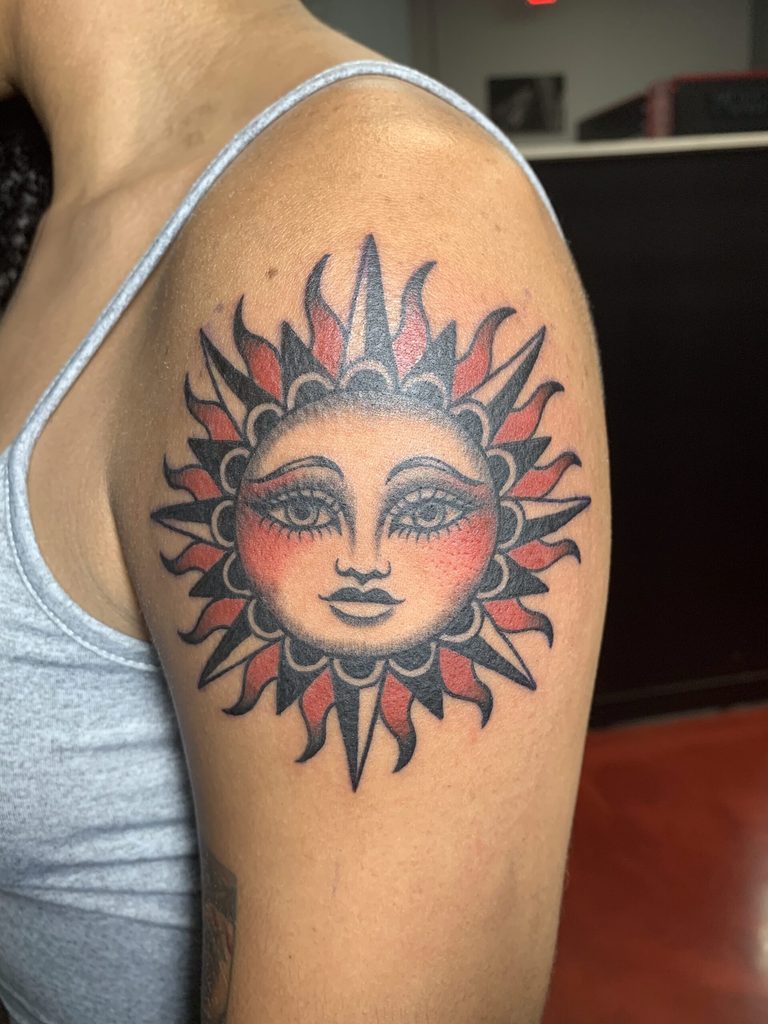
What Can Delay Tattoo Healing?
Several factors can interfere with recovery. Scratching, picking scabs, excessive friction, harsh products, and improper cleaning may irritate the skin. Swimming before the tattoo heals can expose the area to additional moisture and potential contaminants. Certain health conditions may also affect wound healing, making professional medical guidance important when relevant.
If you are concerned about how long does it take for a tattoo to heal, focus on the condition of your skin rather than comparing your progress with someone else’s. Healing varies, and persistent problems deserve proper evaluation.
How Do You Know When Your Tattoo Is Healed?
A surface-healed tattoo usually has no remaining scabs, peeling, or tenderness. The skin should feel comfortable and resemble the surrounding area. However, a normal appearance cannot confirm that deeper tissue has fully recovered. Continue following appropriate skin care practices even after the visible healing stage ends.
Watch for warning signs such as increasing redness, worsening pain, spreading warmth, unusual discharge, or fever. These symptoms may indicate infection or another complication. Seek medical attention promptly instead of attempting to manage a potentially serious reaction with home remedies.
Can You Speed Up Tattoo Healing?
There is no reliable shortcut that makes tattooed skin recover immediately. Applying excessive moisturizer, using unverified products, or repeatedly washing the area will not necessarily improve healing. These habits may create additional irritation. Consistent aftercare, adequate rest, normal hydration, and avoiding unnecessary skin damage provide a more sensible approach.
Rather than trying to accelerate recovery, allow your skin to follow its natural healing process. If your tattoo appears unusually slow to recover, consult a qualified healthcare professional to identify possible concerns.
Conclusion
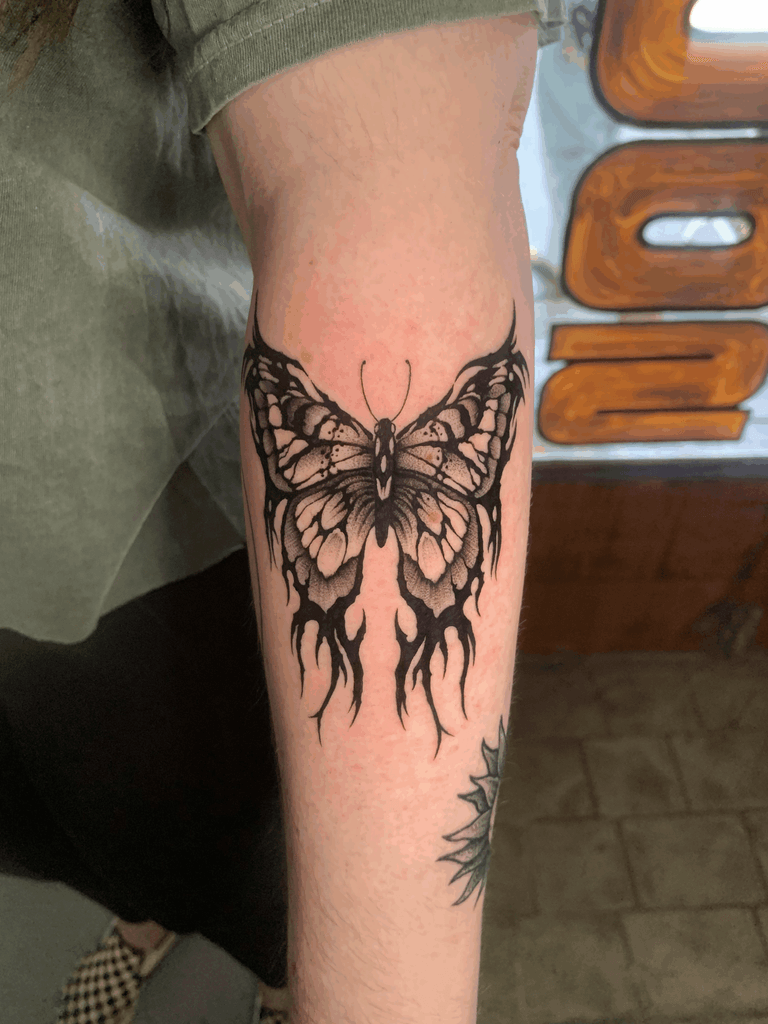
So, how long does it take for a tattoo to heal? Most tattoos need around two to four weeks for surface healing, while deeper recovery can continue for several months. Tattoo size, placement, individual skin characteristics, and aftercare habits influence the process. Protecting the skin and following professional instructions can help support normal recovery.
For professional tattoo services in Melbourne, Florida, Constant Pressure Tattoo Co. offers custom tattooing and guidance for clients planning new body art. Taking proper care of your tattoo after the appointment is an important part of maintaining its appearance.