
A tattoo is a permanent mark or design that an artist creates by placing pigment within the skin. Unlike a drawing on the surface, its color sits in the dermis, beneath the outer skin layer. Tattoos can feature lettering, portraits, patterns, or images, and permanent makeup also belongs to this category. However, permanence does not mean the artwork will look identical forever. Color and definition can change over time. Before choosing a tattoo, consider the design, the artist, and the care involved. Understanding these basics helps you approach your first appointment with clearer expectations.
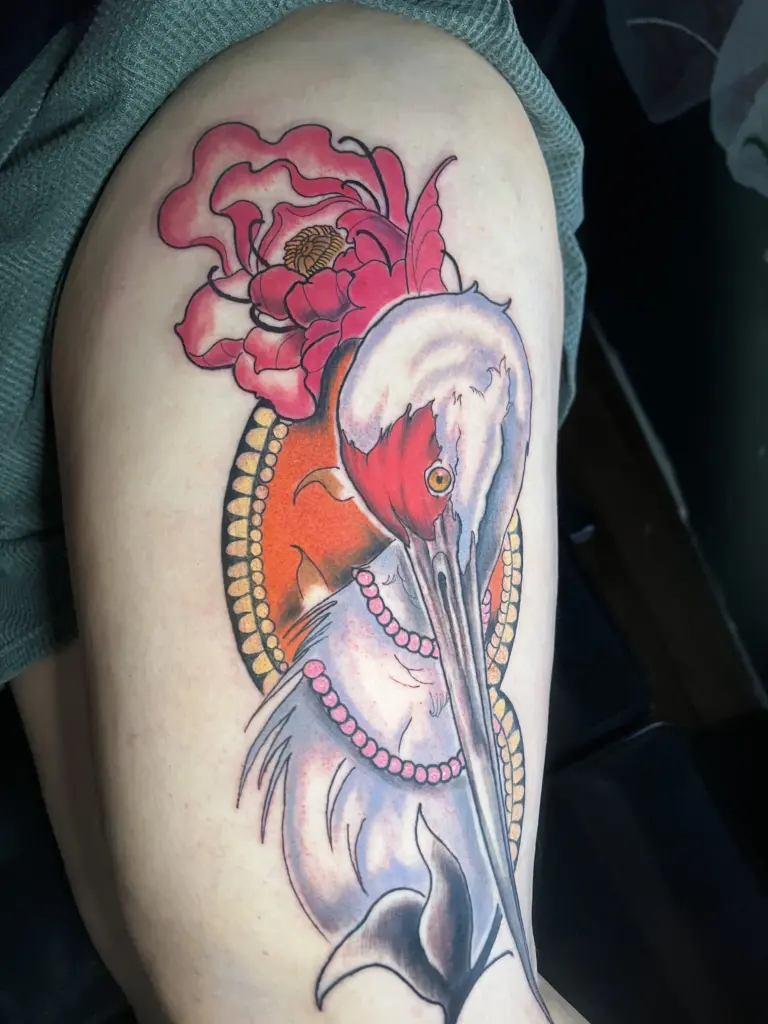
What Is A Tattoo Made Of?
Tattoo ink contains pigment that supplies color, along with a liquid mixture that helps carry it. Manufacturers use different formulas, so ingredients vary by product and shade. During tattooing, needles place that pigment into the dermis. The outer layer, called the epidermis, continues renewing itself above the artwork. Consequently, normal skin shedding does not remove the entire design. You cannot wash away a healed tattoo like a washable marker. However, ink placement breaks the skin, introducing risks that surface decoration does not share. Clean equipment and careful handling matter throughout the process.
The FDA also warns that contamination can occur inside sealed ink containers. Therefore, choosing a professional studio involves more than finding artwork you like. Ask about hygiene practices and the products your artist uses. Also, avoid treating a home tattoo kit as an equivalent alternative. Professional equipment alone does not replace training or appropriate infection-control practices.
Permanent Tattoos, Temporary Designs, And Cosmetic Work
A permanent body tattoo places pigment within the skin to create lasting artwork. By contrast, temporary transfers attach a design to the surface, while henna stains the outer skin. These options do not use the same process as permanent tattooing. However, temporary does not automatically mean harmless. The FDA warns that some temporary tattoo products can cause skin reactions, particularly products sold as black henna. Permanent makeup also involves tattooing, even when the result resembles everyday cosmetics.
Eyebrow shading, eyeliner, and lip color are examples of cosmetic applications. The purpose differs from a decorative shoulder piece, but both involve introducing pigment into skin. Therefore, consider cosmetic work a lasting decision rather than ordinary makeup you can remove at night. When comparing services, ask exactly what the treatment involves and what fading might look like. A service name alone cannot explain the method, its risks, or the maintenance it may require.
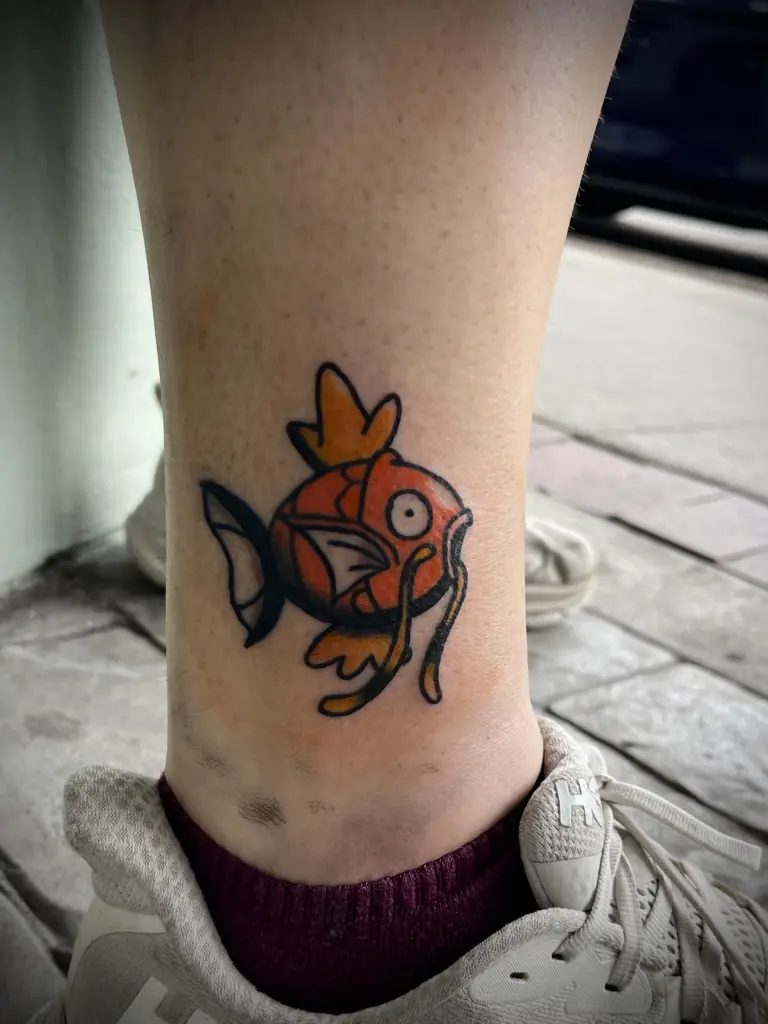
Why People Choose Tattoos
Your tattoo might celebrate a relationship, mark a personal milestone, or reflect an interest you have enjoyed for years. Alternatively, you may simply appreciate the artwork. A design does not need an elaborate explanation to deserve careful consideration. Start by separating the subject you like from the reason you want to wear it. For example, a flower could represent someone important or simply appeal to your sense of color and shape. Both approaches give an artist useful direction.
However, trying to include every meaningful detail can make the initial brief difficult to communicate. Choose the elements that matter most, then explain what you can leave out. Also, consider whether you want the meaning to feel obvious or remain private. Lettering communicates differently from an abstract image or a small symbol. Before approving unfamiliar words or cultural imagery, check their meaning and context. Your own comfort with the finished piece matters more than having a story ready for everyone who asks.
What Is A Tattoo Style?
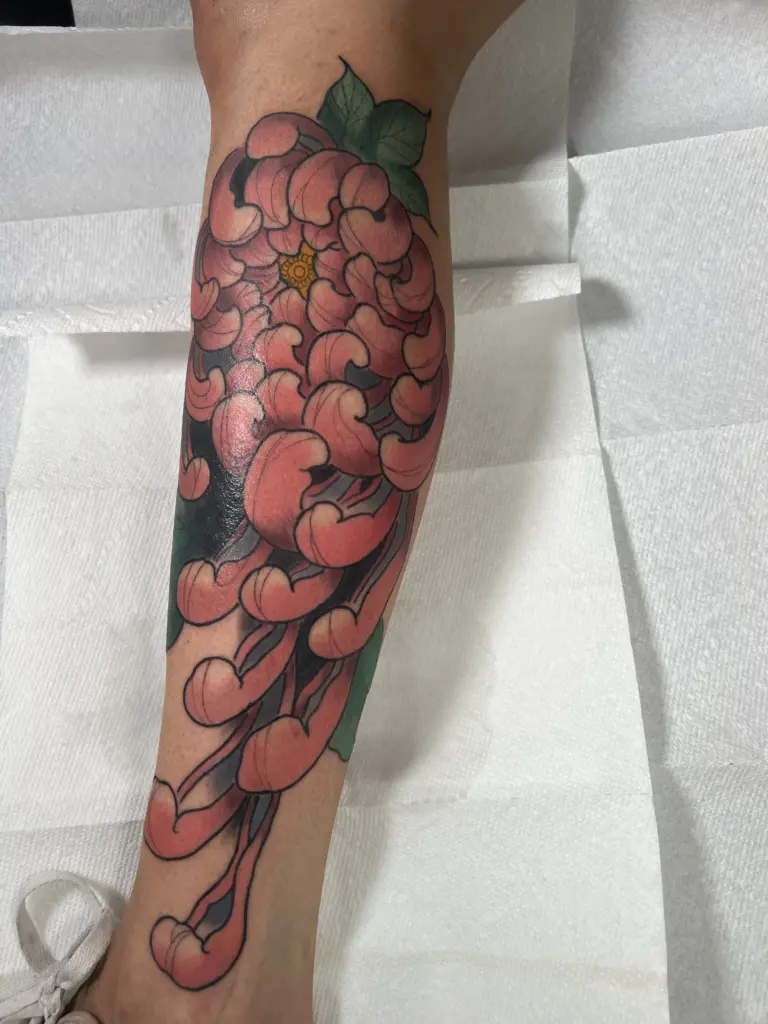
A tattoo’s subject tells you what it depicts, while its style describes how the artist presents it. For example, two artists could draw the same rose with very different results. American traditional work commonly uses strong outlines and bold shapes. Realism aims for a lifelike appearance through detail, shading, and contrast. Meanwhile, Japanese tattooing often combines recognizable imagery with flowing compositions. Black and gray describes a color approach rather than one exclusive subject or visual style. It can support portraits, decorative designs, or other treatments.
Consequently, choosing between color and black and gray does not settle every design question. Look at complete portfolios instead of searching only for one image you like. Notice the line weight, shading, and balance between detailed and open areas. Also, ask to see healed examples when available. Bring references that show specific features you appreciate, then explain those preferences in your own words. You do not need perfect industry vocabulary to describe your taste.
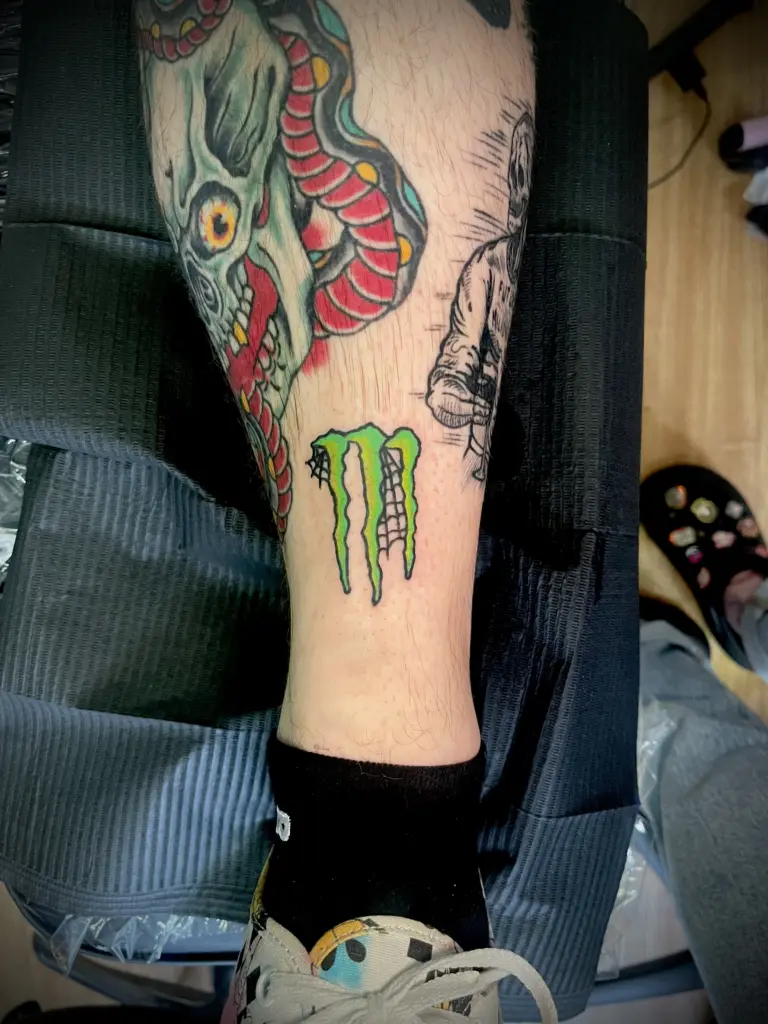
Custom Tattoos And Flash Designs
A custom tattoo begins with a design developed around your brief. Flash refers to artwork an artist prepares in advance for clients to choose from. Neither option automatically offers better artistry; they simply provide different starting points. Custom work gives you room to discuss a particular subject, arrangement, and personal details. Meanwhile, flash lets you choose a finished concept that already appeals to you. Before selecting flash, ask whether the artist repeats the design or reserves it for one client.
Also, confirm which changes they allow, including size, color, or placement. Do not assume that choosing an existing drawing means the appointment requires no planning. You still need to consider how the piece fits your body and preferences. With custom artwork, explain what you like about your references rather than requesting an exact copy of another person’s tattoo. A clear brief gives the artist direction without requiring you to solve every visual detail yourself.
Choosing Size And Placement
Treat size and placement as part of the design conversation, not decisions to settle after approving the artwork. Use a tattoo consultation to compare options before committing. For lettering, ask the artist to show how the words read at the proposed size. For a detailed image, discuss which features deserve the most space. Also, think about visibility in your everyday clothing and whether you want room for future additions. A small, isolated piece and the beginning of a larger collection require different planning.
Review the placement while standing naturally, not only while holding a posed position. Check how the composition looks from more than one angle. In addition, consider your work schedule and upcoming activities when choosing an appointment date. Allow yourself to follow the studio’s aftercare instructions. Finally, avoid choosing a spot just because someone else calls it the easiest option. Ask your artist to explain the practical tradeoffs for your particular design.
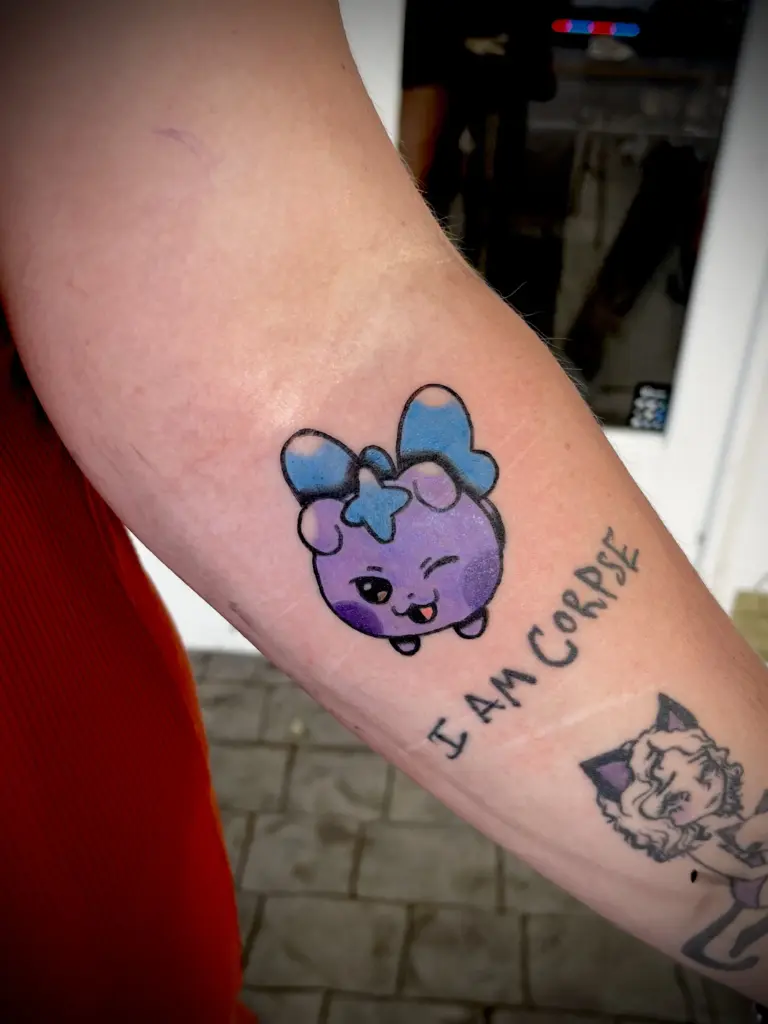
What Is A Tattoo Appointment Like?
Before the needles come out, confirm the artwork, placement, size, and price with your artist. Ask how many sessions they expect and what the quoted amount includes. Check lettering, dates, and orientation carefully before giving approval. Also, ask about the studio’s revision and booking policies rather than making assumptions. Keep speaking up throughout the appointment, including when you need a break or feel unwell. You should understand what happens next instead of feeling pressured to stay silent.
In Florida, both the tattoo artist and the establishment need appropriate state licenses. The Florida Department of Health advises clients to check that licenses remain current and visible. It also calls for sterile, single-use needles, gloves, and ink portions for each customer. These precautions matter alongside the quality of the portfolio. Ask about anything you do not understand before tattooing begins. Finally, leave with written aftercare instructions and a way to contact the studio about them. A completed session should not leave you guessing about the next steps.
Healing, Aftercare, And Safety
A new tattoo needs care because the process breaks the skin. Some initial soreness, redness, swelling, and later flaking can occur during healing. However, those possibilities do not make every change normal. Follow the instructions for your particular dressing and ask for clarification when something seems unclear. Keep the area clean and avoid swimming immediately after tattooing. Before scheduling, mention upcoming pool days, beach trips, or other plans that could conflict with aftercare. Use aftercare assistance for questions about the studio’s routine, rather than combining several conflicting online routines.
Increasing pain, spreading redness, pus, or fever warrant prompt medical attention. Contact a healthcare professional instead of relying on an artist to diagnose the problem. Allergic reactions can also appear after tattooing, including long after the original appointment. Therefore, do not ignore a persistent change simply because an older tattoo previously caused no trouble. Keep the artist’s contact details and ask for ink information if your clinician needs it. Professional tattooing and thoughtful aftercare reduce avoidable risks, but neither guarantees that your skin will never react.
How Tattoos Change Over Time
Permanence describes how pigment remains in skin, not a promise of unchanged brightness. Ultraviolet light can fade some tattoo inks, so think about sun protection after the area heals. The American Academy of Dermatology’s tattoo care advice recommends broad-spectrum, water-resistant sunscreen with SPF 30 or higher. Follow the product directions and reapply as directed. Also, avoid tanning beds. Beyond daily care, consider how you would feel about the design as your interests change.
Professional removal may offer an option, but it does not make tattooing a temporary commitment. Laser treatment usually requires several sessions, and complete removal is not always possible. Scarring or skin-color changes can also occur. Therefore, discuss removal with a qualified healthcare professional rather than trying a do-it-yourself cream or kit. It makes more sense to take your time with the original decision than to assume an easy reset later.
Choosing Your Tattoo With Confidence
So, what is a tattoo? It is lasting pigment within your skin, shaped into artwork through an artist’s decisions and your preferences. Choosing one involves more than selecting an appealing picture. Consider the style, scale, placement, studio practices, and care you will need afterward. Then give yourself time to review those choices without pressure. Bring questions, describe your priorities, and speak up when something does not match your expectations.
For custom tattoo work in Melbourne, Florida, Constant Pressure Tattoo Co. offers consultations to discuss your ideas and placement. Review the team’s portfolios, gather a few useful references, and explain what draws you to each one. The goal is not to arrive with every detail already solved. It is to start a clear conversation about artwork you genuinely want to wear.