
Tattoo ink combines color science, chemistry, and controlled formulation to create a pigment mixture that can be applied consistently to the skin. Most modern inks contain a pigment for color and a liquid carrier that keeps those particles evenly suspended during use. Depending on the formula, manufacturers may use organic or inorganic pigments along with ingredients such as water, glycerin, or certain alcohols. This helps explain what is tattoo ink made of and why the exact formula can vary by brand, shade, and intended use. Understanding those basic components also makes it easier to see why product quality and professional handling matter.
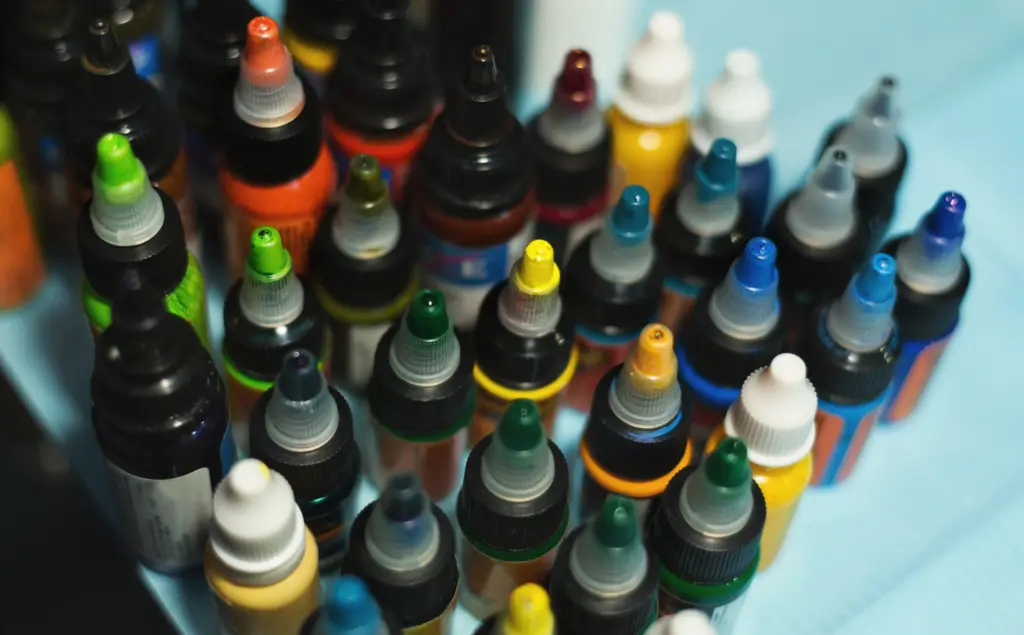
The Two Basic Parts of Tattoo Ink
Most tattoo inks can be understood by looking at two basic components: pigments and carriers. Pigments create the visible color of the tattoo. The carrier provides the liquid medium that keeps those pigment particles distributed throughout the product. Together, these components create an ink with the consistency an artist needs during tattooing. The carrier can contain water and other liquid ingredients depending on the manufacturer’s formula. Glycerin and certain alcohols may appear in some products.
Manufacturers select different combinations based on the consistency and performance they want in an ink. Therefore, two bottles that appear to contain the same color can have different formulations. This distinction is important when answering the question of what tattoo ink is made of, because it is more complex than ordinary colored liquid. The visible portion of the tattoo comes from pigment particles placed into the skin. The carrier helps artists work with those particles during application. Both parts influence how a professional ink performs.
Where Tattoo Ink Gets Its Color
Pigments give tattoo ink its color. Different pigment compounds can produce black, white, red, blue, green, yellow, purple, and many other shades. Manufacturers may use organic pigments, inorganic pigments, or combinations of pigments depending on the product. Black tattoo inks commonly use carbon-based pigments. These pigments can produce the deep tones needed for outlines, lettering, shading, and blackwork. White tattoo ink commonly uses titanium dioxide as a pigment.
Other colors require different pigment systems, and manufacturers may combine multiple pigments to create a specific shade. Color names alone do not reveal everything inside a bottle. Two red inks, for example, do not necessarily contain identical pigments or other ingredients. Manufacturers develop their own formulations and may use different approaches to create similar colors. Clients with questions about a particular product can discuss the ink with their artist before tattooing begins.
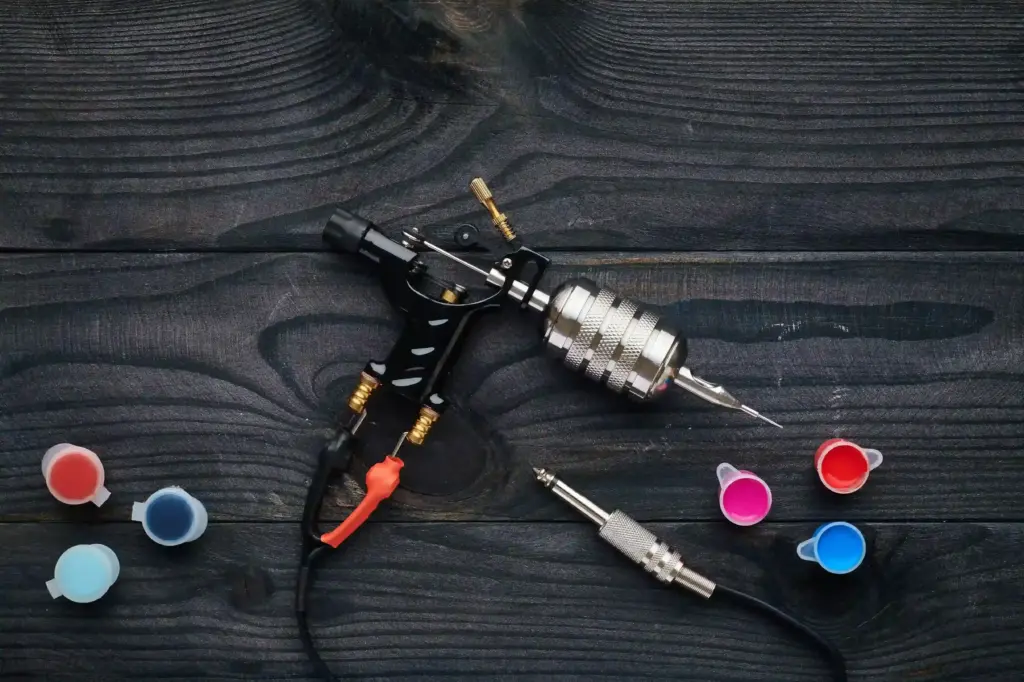
What Is a Tattoo Ink Carrier?
The carrier is the liquid portion of tattoo ink. It keeps pigment dispersed and gives the product a consistency suitable for professional application. Without a suitable carrier, dry pigment would not function like the bottled tattoo inks artists use in studios. Water can form part of a tattoo ink carrier. Depending on the formulation, manufacturers may also use glycerin, alcohols, or other ingredients. These components can influence characteristics such as viscosity and pigment dispersion. Since formulas differ between manufacturers, there is no universal carrier recipe used throughout the tattoo industry.
The role of the carrier also explains why homemade mixtures should not be treated as substitutes for professionally manufactured tattoo ink. Combining an available pigment with a household liquid does not reproduce a controlled commercial formulation. Product sourcing and manufacturing conditions matter because tattoo ink is intended for a very specific purpose.
Why Tattoo Colors Have Different Ingredients
Different colors require different pigments. A manufacturer cannot use one pigment to create every shade simply by changing its concentration. Black, white, red, blue, yellow, and green inks require pigment systems capable of producing their respective colors. Some manufacturers also blend several pigments to produce more specific shades. An artist might have several versions of blue, for example, ranging from a dark navy tone to a much lighter shade. Each product can have a different pigment combination and concentration.
These differences matter because color selection involves more than choosing an attractive shade from a bottle. Tattoo pigment is viewed through the skin after the tattoo settles. Skin tone, contrast, surrounding colors, placement, and the overall design can affect the final appearance. Clients can discuss these considerations during a tattoo consultation. A consultation gives the artist and client time to discuss the design, placement, size, style, and color choices before the tattoo session.
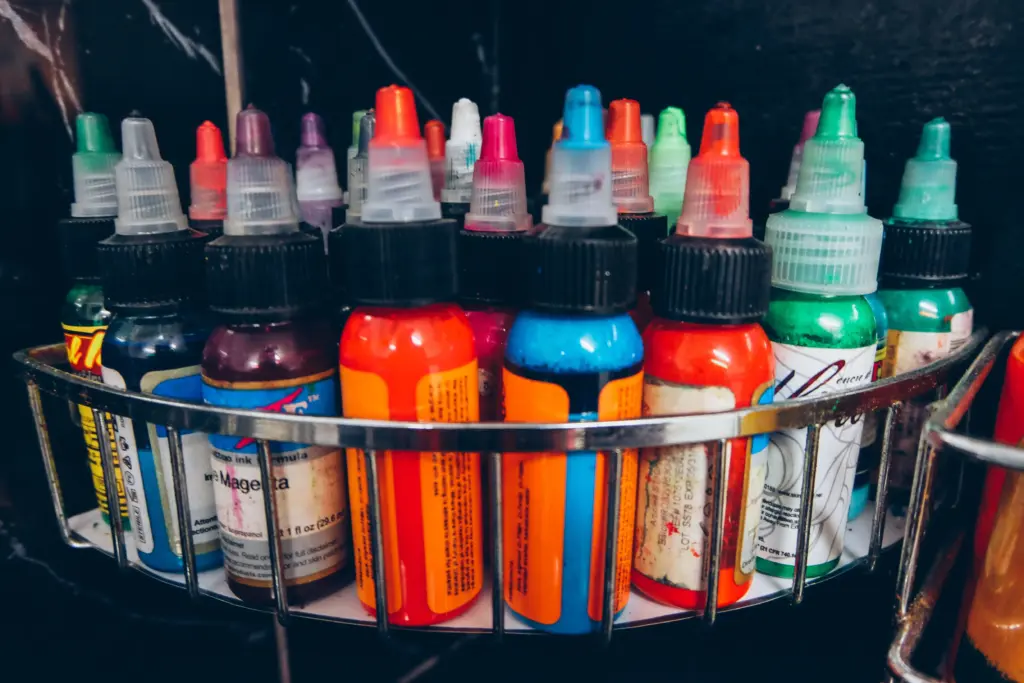
How Professional Tattoo Ink Is Manufactured
Professional tattoo ink manufacturing involves much more than mixing pigment and liquid. Manufacturers need to source ingredients, prepare the formulation, fill containers, package products, and maintain appropriate production conditions. Consistency is particularly important because artists expect an ink to perform predictably from one bottle to another. Manufacturers can also assign lot or batch information to their products. This identification makes it easier to trace a particular batch if questions arise later. Expiration information and manufacturer instructions provide additional guidance for studios managing their ink inventory.
Microbial contamination is an important concern in tattoo ink production. The U.S. Food and Drug Administration has published guidance addressing insanitary conditions and microbial contamination in tattoo inks. The agency’s recommendations cover manufacturing practices intended to reduce contamination risks. These concerns show why the source of tattoo ink matters. A professionally labeled bottle provides more than color. Manufacturing controls, product identification, appropriate packaging, and responsible distribution are also important parts of a professional tattoo supply chain.
Can Tattoo Ink Contain Metals?
Questions about metals frequently appear when people research what is tattoo ink made of. The answer requires some context because tattoo inks use many different pigment formulations. Certain pigments have historically involved metal-containing compounds, and research has identified various elements within some tattoo inks. That does not mean every tattoo ink contains the same metals or concentrations. The pigment chemistry can vary significantly by color and manufacturer. A carbon-based black ink can have a very different composition from a white, red, or green pigment. Even products within the same general color family may have different formulations.
Clients with known sensitivities or concerns about particular ingredients should raise those questions before their appointment. An artist can identify the products they use and provide available manufacturer information. When a concern involves an individual health condition or possible allergy, an appropriate healthcare professional can provide personalized medical guidance.
Are Tattoo Inks Regulated?
In the United States, the FDA considers inks used for tattoos, including permanent makeup, to be cosmetics. The pigments used in these products are considered color additives. The FDA also monitors reports involving tattoo products and can take action when it identifies specific safety concerns. The regulatory picture is more complicated than assuming every bottle has received individual government approval before reaching a tattoo studio. The FDA states that it has not approved color additives specifically for injection into the skin for cosmetic purposes. Tattooing practices are also regulated at state and local levels.
For clients, this reinforces the value of choosing a professional studio that takes product sourcing and sanitation seriously. Professional practices cannot change how federal regulations work, but studios can make responsible decisions about the products they purchase and how those products are handled.
Tattoo Ink Versus Permanent Makeup Pigments
Traditional tattoos and permanent makeup both involve placing pigment into the skin. However, clients should not assume that every product used for one procedure is automatically interchangeable with products intended for another. Permanent makeup often focuses on cosmetic applications such as brows and other facial enhancements. The desired appearance can also differ. Traditional tattoos may feature highly saturated blacks, vivid colors, detailed shading, or large artistic compositions. Permanent makeup often aims for results that complement existing facial features. Product selection and technique should therefore fit the specific procedure.
Constant Pressure Tattoo Co. offers permanent makeup alongside traditional tattoo services. Clients considering cosmetic pigmentation can discuss their goals and available options before deciding on a procedure.
Why Tattoo Ink Quality Matters
Knowing what is tattoo ink made of is useful, but an ingredient list does not tell the entire story. The manufacturer, production conditions, packaging, storage, and handling of an ink also deserve attention. A professionally produced formula still needs responsible handling once it reaches a tattoo studio. Marketing terminology can make this subject confusing. Products may use terms such as natural, vegan, premium, or professional. These descriptions can provide information about certain characteristics, but they should not replace questions about the actual product and its manufacturer.
Consumers should also be cautious about claims that one ingredient automatically makes an ink superior to every alternative. Tattoo ink formulations are complex, and different colors require different pigment chemistry. A more useful approach is to consider the product source and the professionalism of the studio using it.
How Tattoo Studios Handle Ink
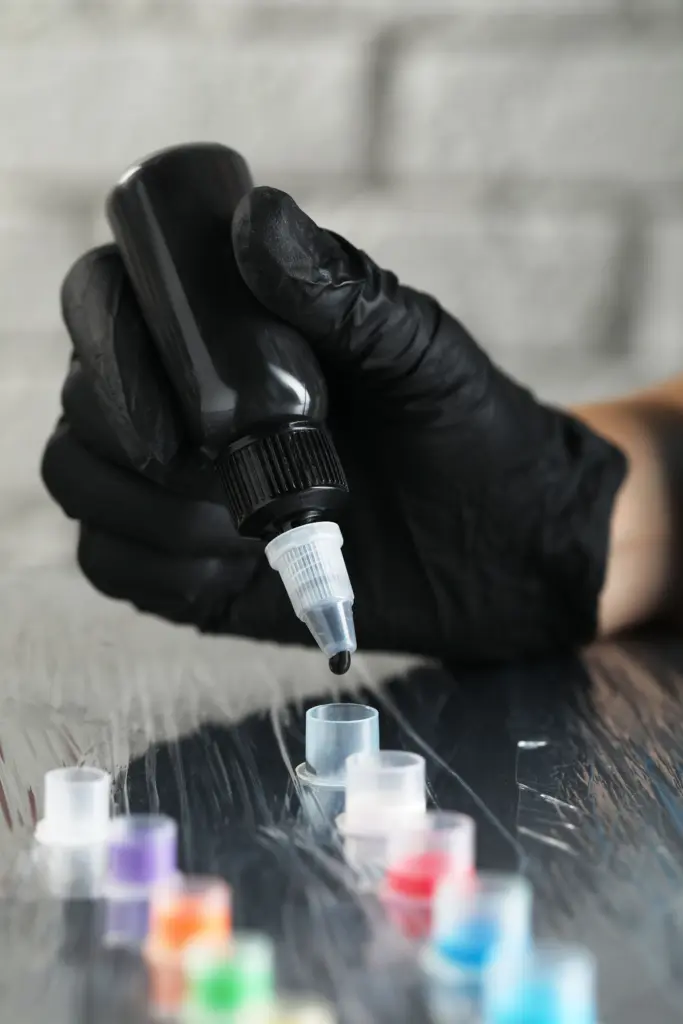
Professional ink handling continues after a manufacturer ships the product. Tattoo artists need to store their supplies appropriately and follow established hygiene procedures during each appointment. Studios also need to pay attention to manufacturer information and expiration dates when managing inventory. Artists can dispense the amount of ink needed for a tattoo into individual ink caps before or during the session. This approach allows the artist to work with smaller amounts rather than using the main bottle as a working container. Used ink should not be returned to the original supply.
Clients can pay attention to these details when choosing a tattoo studio. Artistic portfolios are important, but the overall professional environment matters too. Clean preparation, organized supplies, clear communication, and responsible product handling all contribute to the experience.
What Happens to Ink During Tattooing?
During tattooing, an artist uses needles to deposit pigment into the dermal layer of the skin. The outer layer of skin continually renews itself, so placing pigment at an appropriate depth helps create the lasting appearance associated with tattoos. The body interacts with tattoo pigment after application. A tattoo can also change gradually over time because skin itself changes. Sun exposure, aging, placement, pigment characteristics, and other factors may influence how artwork looks years after the original appointment.
This relationship with living skin is another reason professional tattoo ink cannot be viewed in the same way as ordinary paint or craft pigment. The materials are used for a specific application, and the artist’s technique is an important part of that process.
Why Aftercare Is Still Important
Ink composition is only one part of a tattoo experience. After the appointment, clients need to follow the instructions supplied by their artist. Aftercare recommendations can depend on factors such as the tattoo and dressing method, so generalized online advice should not replace instructions for a particular appointment. Aftercare information should also avoid promising a specific healing result. Every person’s circumstances can differ. Clients who have concerns about their tattoo can contact their artist for appropriate tattoo-related guidance. Concerns that require medical evaluation should be directed to a qualified healthcare professional.
Constant Pressure Tattoo Co. provides aftercare assistance for clients who need guidance related to caring for their new work. Having a direct source of information can help clients avoid relying on conflicting advice from social media or unrelated sources.
What Clients Should Know Before Choosing Tattoo Ink
Clients generally do not need to choose a tattoo ink brand themselves. The artist usually selects professional products suited to their working style and the planned tattoo. However, clients can still ask which products the studio uses, particularly when they have concerns about specific ingredients. It is also useful to avoid broad assumptions. Not every black ink has the same formula. Not every colored ink contains the same ingredients. Likewise, a statement about one tattoo ink brand should not automatically be applied to the entire industry.
A consultation provides an appropriate opportunity to discuss these questions. Instead of trying to evaluate tattoo chemistry alone, clients can speak directly with an experienced artist about their design and any product concerns they have before work begins.
Conclusion
What is tattoo ink made of? Most modern tattoo inks contain pigments suspended in a liquid carrier. The pigments provide color, while the carrier creates a workable mixture and helps keep those pigment particles dispersed. Specific formulas vary considerably by manufacturer and color, so there is no single ingredient list that represents every tattoo ink. For clients, understanding the basics can make conversations with an artist more productive. Product sourcing, manufacturing quality, studio hygiene, professional application, and appropriate aftercare all deserve consideration alongside the ingredients themselves.
For those planning a tattoo in Melbourne, Florida, Constant Pressure Tattoo Co. provides tattooing, consultations, permanent makeup, and aftercare assistance. Speaking with an experienced artist can help you understand the products, design choices, and process involved before committing to your next piece.